A pine tree dug from the mountain is taken home and transformed into a bonsai, absolutely exquisite.
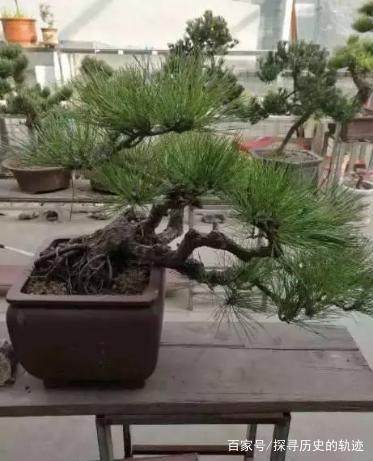
Grandfather spent decades on it, and after a long time without any particular feeling, Father began to think about something new. He discovered the joy of bonsai, opened up the mountain, and one day while passing a small hillside, he found many pine trees. They looked good, so they began digging for bonsai.
Watching others make bonsai means choosing a more unusual appearance. His father-in-law felt he had chosen this pine tree. When the pine sapling is potted, it should if possible go into some old soil, and when the open material and roots at the base are cut away, the tree's roots spread through the potting soil, and the soil is in true root contact, which helps it develop and survive.
Pine bonsai are modern and ancestral in their rational placement, in uncommon pottery pots or glazed ceramic jars. The shape of the catchment area differs from the predecessors of tree, cliff and thousand-pot basins - trunk, deep, slanting, rectangular or oval basins.
Pine trees and bonsai are usually characterized by firm, breathable black stone powder, river sand, building stone powder and coal cinders. In addition, these culture soils are ready-made. After planting, the soil mulch can be inserted into the tree's roots to a depth of about 3 inches.
The potting shape of the pine tree is based on climbing support and pruning. During the dormant period, climbing the fence should be paused. The brown scarf should not be revealed at the first cricket, branches and natural posture that are bent. Branches and leaves are cut into thin slices or hemispherical shapes.
The cultivation and construction of pine bonsai is a foundational task. Every process is done very well. The creation of artistic bonsai is for diligence and intelligence, only in the creation.