What are the contraindications and precautions for pneumonia vaccination?
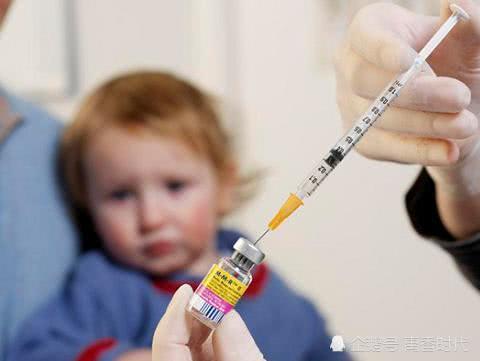
When it comes to pneumonia vaccination, because of a lack of understanding and other factors, people have not yet formed an awareness or habit of getting vaccinated, so after infants and young children contract pneumonia, parents and other family members often come to realize the importance of vaccination in preventing and treating pneumonia. This then raises the question of "can a child still be vaccinated after contracting pneumonia?" which urgently needs to be answered. What can be confirmed here is that pneumonia vaccination is still needed and can absolutely be carried out.
Pneumonia vaccination
More than 90 serotypes of the bacteria that cause pneumonia have been identified so far, making it a vast pneumococcal family, so to speak. After a child's pneumonia is cured, they develop resistance to that particular pneumococcus, but they are still susceptible to pneumonia from other pneumococcal infections, so vaccination is necessary to prevent other pneumonias from occurring. However, when receiving the pneumonia vaccine, both normal and abnormal reactions can occur, and these need to be handled properly.
Normal reactions include pain, redness and swelling, and induration at the local injection site, and a small number of patients may experience fever of 38 to 39 degrees Celsius (30-8-9). There may also be malaise, weakness and fatigue, serum sickness, joint pain, muscle pain, arthritis, inflammation of certain glands, urticaria, rash, idiopathic thrombocytopenic purpura, or allergic reactions, etc. These reactions generally appear within about two days, and at most manifest over a period of two weeks.
Scope of prevention and treatment of the pneumococcal vaccine
Rare or abnormal reactions include paresthesia and acute radiculoneuropathy, including Guillain-Barre syndrome, etc. To ensure the safety of pneumonia vaccination, patients with certain allergic diseases and severe diseases should not receive it, such as those with Hodgkin's disease, patients with severe cardiopulmonary dysfunction, breastfeeding women, immunodeficient patients, and those who have had a splenectomy, etc. For children under 10 years old who have had a splenectomy or who have sickle cell anemia, a booster immunization should be given every 3 to 5 years, with 0.5ml injected each time.
If you have questions or need help, you can call 01062170649 13269852331