Mix organic soil like this and both flowers and vegetables will grow healthily
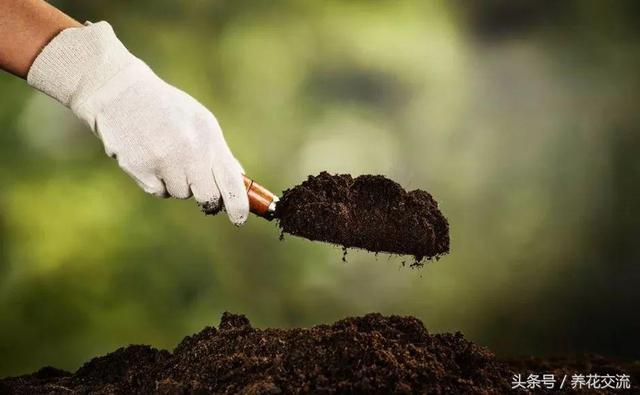
Caring for plants requires not only a suitable environment, proper watering and temperature, but also the right soil to match them; the soil's acidity and alkalinity must also be able to promote plant growth, with appropriate fertility to encourage flowering and fruiting. Beginners will just dig up some garden soil to grow plants, which very easily causes the soil to clump and affects flower growth.
Before planting flowers and plants in the yard with your own hands, it is best to test the soil's acidity and alkalinity, or simply buy some soil suitable for plant growth. If you do not want to test the soil's acidity and alkalinity, you can directly mix in some loose, fertile compost soil and appropriately add some garden soil and sand, and you will be able to grow all kinds of flowers and plants very well.
If plants show yellowing leaves, very thin and weak branches and leaves, or rarely bloom, then it is very likely that the soil is not suitable for plant growth; it may be that the soil is overly poor, or that its acidity and alkalinity are unsuitable.
First, let's talk about soil acidity and alkalinity. Most plants prefer slightly acidic soil or neutral soil, and very few plants prefer alkaline soil. Some plants are merely salt- and alkali-tolerant, but they grow even better in neutral soil.
Soil in the yard generally needs to be tested once every two years. You can test it directly with pH test paper, and there are also special tools for testing soil acidity and alkalinity. The best time to test soil acidity and alkalinity is in autumn, so that there is enough time to adjust the soil's acidity and alkalinity.
The simplest and most practical method is to use pH test paper. It is very cheap; a few yuan will buy you a big box. The testing method is also very simple: collect some soil, mix it with water, then place the test paper into the solution, and after waiting five minutes you can see the test result. Using different testing instruments will affect the test result. I personally really like testing soil acidity and alkalinity myself. Garden stores also have special testing instruments, and every time you use one you must clean the dirt off the probe.
Adjusting soil acidity and alkalinity is also very simple. Soil contains a certain amount of nitrogen, phosphorus and potassium, which are the basic elements that promote plant growth, as well as other trace elements including potassium, magnesium and iron. Properly adjusting the composition of fertilizers in the soil can promote very, very good plant growth.
In addition, you need to understand whether the soil is clay or sandy. Plants that like good drainage need to be grown in sandy soil, while if you need soil with a certain water-holding capacity, you need soil with a certain water-retaining capacity.
Most plants can grow well at a pH between 6.0 and 6.5. Of course, you should also avoid the soil being too acidic. Soil with a pH below 7.0 counts as acidic. Adding limestone or lime to the soil can neutralize acidity, and you can also mix in plant ash to increase the pH. Plant ash also has a sterilizing and disinfecting effect, so it is also a good choice.
However, most friends' soil tends to be alkaline, especially for friends in the north. The north has relatively little rain, and the soil pH is above 7.0. You can add ammonium sulfate, urea, ammonium nitrate and so on to lower the soil's acidity and alkalinity.
Ordinary flowers rarely use these acidic fertilizers. What we generally use is compost soil, peat soil or ferrous sulfate to lower the soil's acidity and alkalinity and promote slightly acidic soil.
After improving the soil's acidity and alkalinity, you need to measure it again one or two months later, so you can determine whether the soil can promote plant growth.
When planting plants, we generally recommend using compost soil, organic soil or peat soil. These all add fertilizer to the soil to promote plant growth. The most commonly used is compound fertilizer. They contain nitrogen, phosphorus and potassium. Different compound fertilizers have different contents of nitrogen, phosphorus and potassium, and the bag will have their ingredient ratios written on it, such as the common 5:5:5; 10:10:10; 4:8:10 and other combinations of three numbers. These three numbers respectively represent the ratio of nitrogen, phosphorus and potassium.
However, I still recommend using organic fertilizer. It has a relatively good ability to promote plant growth, and its harm is very small. It is also very good for improving soil structure. Plants that have just been planted and newly transplanted plants should not be fertilized immediately. When the temperature is too high or too low, you should also avoid fertilizing, otherwise it is very easy to burn the plants.
For ordinary fertilizing, generally use a compound fertilizer with a nitrogen-phosphorus-potassium ratio of 10:10:10, which is relatively safe. If you want to promote flowering, give a fertilizer with a higher phosphorus content. If you want to promote the growth of branches and leaves, give a compound fertilizer with a higher nitrogen content.
When fertilizing, you must pay attention to the amount. If the fertilizer concentration is too high, it will burn the plants, and the frequency of fertilizing should not be too high either.
When fertilizing, it is best to dig some holes around the plant and then bury the fertilizer in. Do not let the fertilizer directly touch the plant's root system, otherwise it will burn the plants.
Beginners had best use compost soil to improve soil fertility. Mixing appropriate peat soil or compost soil into the soil can very well improve the soil's acidity and alkalinity, promote plant growth, and also increase soil fertility to encourage flowering and fruiting.
In winter, when the temperature is too low, you should cover the plants with a layer of compost soil or peat soil, which can retain moisture and warmth and also inhibit weed growth. Of course, you can also use other mulches instead, such as various kinds of hay and chopped bark.