How to grow potted asparagus fern more vigorously? 9 care methods to teach you
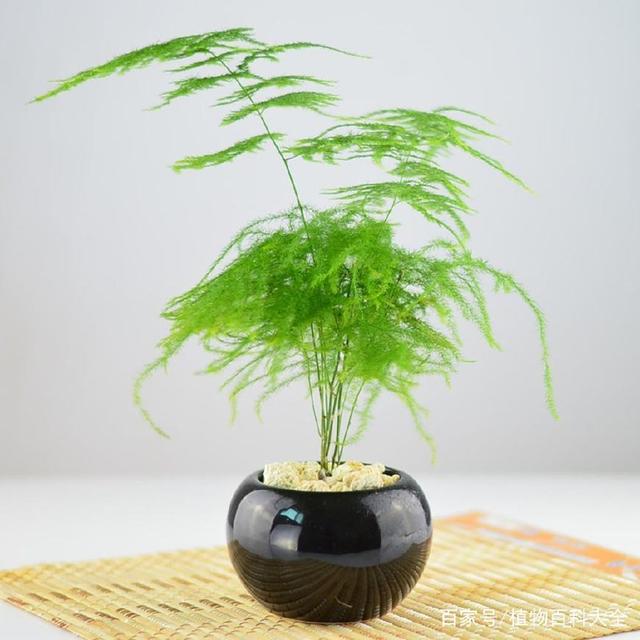
Asparagus fern has high ornamental value, especially when it grows vigorously, so how do you grow it more vigorously? In fact, to make asparagus fern more vigorous, you first need to master its growth habits, such as timely watering, sufficient nutrients, pruning and repotting, etc. These all affect whether the asparagus fern thrives. Below is a summary of 9 care methods to make potted asparagus fern vigorous.
How to grow asparagus fern more vigorously
1. The potting soil must be breathable
For potted asparagus fern, the potting soil must be well breathable and sandy soil that drains easily. A suitable potting soil mix helps the asparagus fern grow more vigorously.
Asparagus fern is generally suitable for potted cultivation, because potting soil can ensure good drainage, and humus is easier to add. For cultivating asparagus fern, a loose, fertile, well-drained sandy loam rich in humus is best. It is best to use an earthenware pot with good drainage and breathability, and the lower layer should be lined with coarse sand and stones as a drainage layer. During care, loosen the soil in time to ensure air circulation, so that the asparagus fern grows lushly.
2. Timely watering makes it vigorous
When caring for asparagus fern, watering must follow the rule of not watering until dry, and watering thoroughly when you do.
When watering asparagus fern, it depends on the weather, growth condition and how dry or wet the potting soil is. Too much watering and overly wet potting soil can easily cause root rot, while too little watering can cause leaf tips to scorch and turn yellow. It is recommended that in hot, dry weather, you can spray the leaf surface with water to increase humidity and lower temperature, while in winter you should water less. Only in this way can the asparagus fern be lush with branches and leaves.
3. Appropriate light makes it more lush
Asparagus fern likes a semi-shaded environment, so you need to create this kind of growing environment for it.
In daily care of asparagus fern, avoid putting it under scorching sun, otherwise it is easily sunburned, causing the leaves to scorch yellow and drop. In hot seasons, it should be placed in a cool, ventilated place. In winter, potted asparagus fern can receive more sunlight, which is beneficial for vigorous growth.
4. The temperature must be suitable
Asparagus fern likes warmth and grows best between 15-25°C. The suitable ambient temperature should be controlled within this range.
If asparagus fern care can maintain a suitable temperature range, then the asparagus fern will remain in a growing state for a long time and naturally be lush with branches and leaves and grow vigorously. But in daily life it is hard for us to do this, so in winter the asparagus fern should be moved indoors for care, and in summer pay attention to shading to avoid strong sunlight.
5. Sufficient nutrient supplementation makes it more vigorous
During the growth period, asparagus fern needs sufficient nutrients, so you should give it adequate nutrition. Only when nutrition keeps up can the asparagus fern grow more and more vigorously.
Asparagus fern does not like heavy fertilizer, but it cannot lack fertilizer either. Limited by the potting soil, asparagus fern cultivation must supplement nutrients in time to meet growth requirements. Generally, nitrogen fertilizer is the main type, applied about once a month; otherwise, because the potting soil is relatively limited and nutrients cannot be supplemented in time, unhealthy conditions may appear. Especially during the growth period, apply a thin fertilizer containing ammonia and phosphorus 1-2 times a month to promote lush branches and leaves; other liquid fertilizers can also be used.
6. Suitable humidity makes it more lush
Asparagus fern likes a high-temperature and high-humidity environment.
For asparagus fern, the higher the air humidity, the better. Especially in hot weather, you can often spray water on the ground around the plant and on the branches and leaves to increase air humidity and ensure normal growth of the asparagus fern.
7. Suitable placement position
Asparagus fern must be placed in a spot with fresh air, avoiding places with poor air circulation.
Asparagus fern is like a little girl, rather delicate and very fond of cleanliness. If placed in a place with smoke odor or a lot of soot and dust, its leaves will turn yellow and dry up. Therefore, the asparagus fern must be placed in an environment with fresh air and good ventilation, and the leaf surface should be sprayed with water often to wash off soot and pollutants, so that the asparagus fern will grow vigorously.
8. Timely pruning and repotting
Potted asparagus fern needs timely pruning and repotting. Remove old leaves and surplus branches, and repot in time, so that the asparagus fern grows better.
As asparagus fern grows, old leaves, diseased leaves and excess branches should be removed in time for it to grow vigorously; otherwise, these withered branches and leaves will draw away excess nutrients from the asparagus fern and hinder the growth of new leaves. Second, due to the limitation of potting, asparagus fern should be repotted once a year, with the pot gradually enlarged year by year, which is beneficial for root growth and lush branches and leaves.
9. Timely prevention and control of pests and diseases
Timely prevention and control of pests and diseases is beneficial to the growth of asparagus fern. If no pests or diseases appear, the asparagus fern will grow more and more vigorously.
When asparagus fern suffers from pests and diseases, it will grow slowly, the branches and leaves will wither, and the plant may even die. Therefore, everyone should prevent and control pests and diseases in time to let the asparagus fern grow healthily. For example, when humidity is too high and ventilation is poor, asparagus fern is prone to leaf blight, so air humidity should be appropriately reduced and attention should be paid to ventilation and light transmission. In summer, pests such as scale insects and aphids are prone to occur, and they can be killed by spraying with a 1000-fold dilution of 40% omethoate.