Three things to note in orchid care for prettier orchids
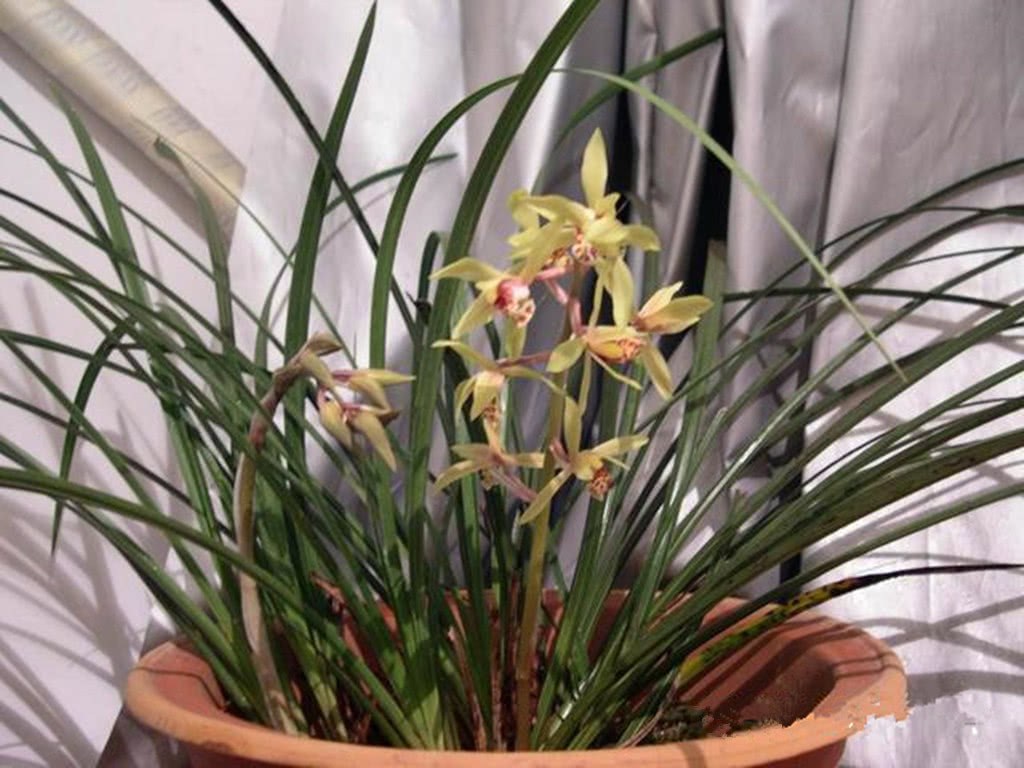
You must pay attention to these three points when growing orchids, and they will make the orchids you care for very beautiful.
Orchids have strong ornamental value and have been praised by literati and scholars since ancient times, with an auspicious meaning, so there are also many friends who grow orchids, even though orchids are harder to care for than other flowers.
The most fundamental approach to growing orchids is to grow the roots first, because orchids have pseudobulbs that can absorb part of the water; even if the orchid's roots rot or become hollow, the leaves will take some time to show a reaction, so problems are not easy to spot, which makes watering and fertilizing orchids especially important. Keep them moist but not wet; mixing small creek stones and soaked bark at a ratio of about 7:3 works well.
When fertilizing orchids, the amount must be controlled well. With fertilizer that is too concentrated or contains hormones, the orchid will die. Usually, organic fertilizer fermented from sugarcane molasses works the same way as organic fertilizer fermented from rural rice straw and wheat straw, and is very rich in nitrogen, phosphorus, and potassium. In spring, in areas with high air humidity, reduce the frequency and concentration of fertilization, and during the dormant and semi-dormant periods, double the dilution of the fertilizer concentration.
When growing orchids, besides paying attention to watering and fertilizing, you should also apply a chlorothalonil solution to the orchid once every ten days for sterilization, then apply an insecticide once, and two hours after insecticide treatment, rinse the leaves with clean water to avoid harming the orchid plant.
The organic nutrient solution fermented from sugarcane stalks contains nitrogen, phosphorus, potassium, amino acids, organic matter, microorganisms, minerals, and other nutrient elements in rich and balanced amounts, and is very suitable for orchid growth, rooting, sprouting, sending out flower spikes, full blooming, and prolonging the flowering period.
The last point to note is that orchids should be given diffused light; in summer, guard against high temperatures and strong sun, and in winter, protect against cold and keep warm. The lowest temperature for growing orchids is 8°C, the highest temperature is 35°C, and 18°C to 30°C is the best care temperature for orchids. When the temperature drops to 8°C, they should be brought indoors for the winter.
Thank you for taking your precious time out of your busy schedule to read patiently; reading takes you to a higher level. Also, if you have any thoughts or opinions, you can post them in the comment section below. Everyone is welcome to save or share! Click the word "Follow" and you will be able to read more articles about growing orchids.