Feed your snake plant these 4 kinds of waste, and its leaves will be deep green and glossy, growing taller than a door without any care
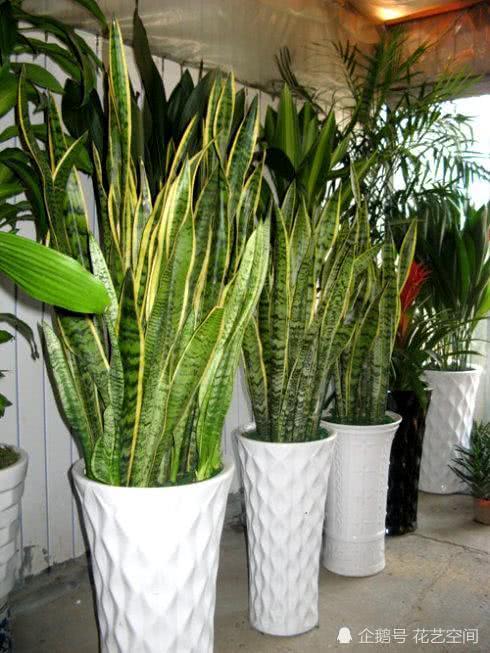
Snake plant, also known as snake sansevieria, has firm, thick, tall and upright leaves that stay evergreen all year round, making it an ideal potted plant for decorating the home. I believe there must be many people who love snake plants!
To grow a snake plant well, fertilizer is a must. Use these 4 kinds of household "waste" to care for your snake plant, and its leaves will be deep green and glossy, growing taller than a door without any care!
Expired vinegar
Dilute expired household vinegar in a certain ratio and use it to care for your snake plant. It can make the potting soil acidic, boost the snake plant's absorption of iron and phosphorus, and make the leaves denser and thicker.
Leftover beer
Dilute leftover beer with water at a 1:10 ratio. It can be sprayed on the leaves or used for watering. Plant metabolism cannot do without carbon dioxide, and beer contains plenty of carbon dioxide. Using it on snake plants gives excellent results. You can also wipe the leaves with diluted beer to make them even glossier!
Leftover okara (soybean residue)
Fermented okara is also first-rate for growing snake plants. You can collect the okara, put it in a large container, and place it in a sunny spot. It will ferment in about 10 to 20 days. During the snake plant's growing period, you can water it once every 10 days. This keeps the snake plant's leaves firm and thick without turning yellow.
Leftover Chinese herbal medicine residue
Chinese herbal medicine residue contains the three nutrient elements needed for flower growth. Dilute the residue with water, put it in a large container, and place it in a sunny spot. After full fermentation, use it to water the plants. It makes the snake plant's leaves deep green and glossy.
You can also mix the Chinese herbal medicine residue into the soil to ferment and compost it into nutrient soil. Later, when potting or repotting the snake plant, mixing in this humus soil will continuously provide nutrients to the snake plant's roots.
Besides meeting its nutritional needs, the snake plant also needs proper care in other respects.
It is suited to loose, fertile, well-draining sandy soil. The soil can be garden soil + coal cinder at 3:1.
It adapts strongly to its environment and has vigorous vitality. It is fairly drought-tolerant, so water it only when the soil is dry and let it dry out between waterings. Watering too often can easily cause root rot.
Also place the snake plant in a well-ventilated spot. It is prone to soft rot, and if you place it in a well-ventilated spot, the chance of getting the disease will be reduced!
Snake plants are very easy to propagate. You can even cut a leaf into 10 cm segments and insert them into soil to propagate a small plant, or insert them into water, and you can likewise propagate a small snake plant!
That is all for today's sharing about snake plants.
If you flower lovers have good care experience
leave a comment below to share!