How to grow a potted orange tree at home? Pay attention to these points for abundant fruit in autumn and winter
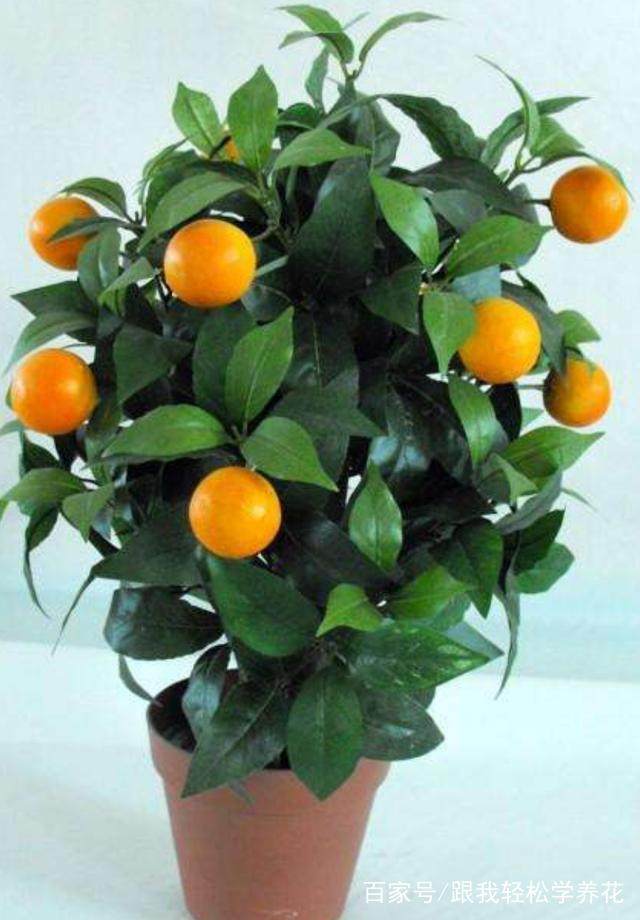
As people's material living standards and spiritual pursuits continue to rise, green plants have gradually entered more and more households. After experiencing the joy of growing foliage plants and flowering plants, some gardening enthusiasts have begun trying to grow potted fruit-bearing plants such as oranges and lemons. Potted orange trees in particular, with their golden fruit and emerald green leaves, are favored by more and more gardeners. However, during the growing process, various reasons can lead to phenomena such as many flowers but few fruits, serious fruit drop, or no fruit at all. In fact, all of these are related to whether the soil ratio is reasonable, whether light, water and fertilizer are sufficient, and whether timely pruning is done.
Because a potted orange tree has limited soil, if nutrients are insufficient, it will inevitably affect the growth needs of the orange tree. Orange trees prefer loose, fertile, slightly acidic soil. Orange trees just bought from flower markets in spring mostly come in black nutrient pots and need to be repotted and have their soil changed immediately. For home cultivation of orange trees, choose a slightly larger pot. For soil mixing, it is recommended to use leaf mold (or pine needle soil), garden soil and river sand (or perlite) in a 3:2:1 ratio. To ensure sufficient nutrient supply for the orange tree during its growing period, before potting you can add an appropriate amount of compound fertilizer or decomposed chicken manure or sheep manure to the bottom of the pot. After potting, water thoroughly and place in a cool, ventilated spot to acclimate for one week before normal care.
Orange trees are relatively shade-tolerant, but they also like sufficient light. A long-term shaded environment or one with insufficient light makes it very difficult for orange trees to bloom and bear fruit. If you want orange trees to bloom and bear more fruit, timely pruning is essential. Pruning is mainly to regulate the reasonable distribution of the tree's nutrients, so that limited nutrients are concentratedly supplied to buds and leaves, promoting flower bud differentiation. It is generally recommended to do one heavy pruning before the spring shoots sprout, cutting off dead branches, withered leaves, inward-growing branches, crossing branches and weak branches. For strong branches, prune lightly, leaving 2-3 strong buds to encourage each branch to produce more robust spring shoots. After the spring shoots have fully grown, to control excessive growth, light pruning can be done, cutting off 3-4 nodes from the branch tips. When subsequently grown new shoots have 5-8 nodes, pinch them back, mainly to induce more summer shoots.
Fertilizer and water management for potted orange trees is also key to determining how much fruit they bear. Because nutrients in the pot soil are limited, before spring sprouting you should first apply a fertilizer mainly composed of nitrogen to promote branch and leaf growth. At the same time, combine with phosphorus and potassium fertilizer to promote flower bud differentiation. You can use decomposed cake fertilizer water to drench the roots, or spray a 1:1000 potassium dihydrogen phosphate solution once every 7 days until flower buds form and flowers bloom and fruit sets. After that, apply a dilute liquid fertilizer once a week to ensure sufficient nutrient supply. After autumn begins, gradually reduce the frequency of fertilization to prevent excessive plant nutrition from producing autumn shoots, which would compete with the fruit for nutrients and cause fruit drop.
If you want orange trees to bear more fruit, after flowering you should promptly thin out some flower buds. It is generally recommended to keep 3-8 flower buds per branch. After fruit sets, you should also promptly thin the fruit. The number of fruits to keep can be decided according to the plant's shape, avoiding weaker fruits competing for nutrients or insufficient plant nutrients causing massive fruit drop. During the vigorous growth period of potted orange branches and leaves and before flowering, sufficient water should be supplied. After flowering and fruit setting, gradually reduce the frequency of watering to prevent water accumulation in the pot from causing flower and fruit drop.