Add a little of this to the water when watering pothos, water once every 7 days, and the leaves grow as big as plates, truly delightful
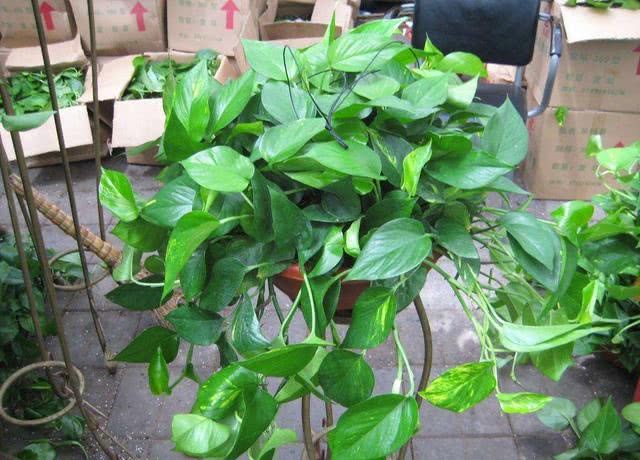
Pothos is simply a must-have green plant in every home. Why? It is easy to care for and can purify the air. However, the pothos grown in every home is different. Some have oily green leaves that fill the pot, while others have yellowing leaves that are especially small. Today I will share with you a method: add a little "of it" to the water, water once every 7 days, and the pothos leaves will grow as big as plates, so delightful!
Homemade soybean dregs flower fertilizer
Soybeans are rich in nitrogen. If soybeans are made into soybean dregs and then fermented into flower fertilizer, the nitrogen fertilizer in it is more easily absorbed. If used on pothos, it is truly a top-grade fertilizer.
Production method: Soak the soybeans for 24 hours, then cook them and crush them. Or directly use the soybean dregs left over from making soy milk for fermentation. Mix the soybean dregs and water at a ratio of 1:10, put the mixture into a plastic bucket, cover it with a lid and seal it well, and place it on a balcony where there is light and ventilation. Generally, it will be fully fermented in 15-20 days. Open the lid every few days to let it breathe, so as to avoid the bottle swelling.
Usage method: Fully mix the fermented soybean dregs solution and water at a ratio of 1:10. You can use it to water the roots of pothos, or use a piece of cotton cloth dipped in the solution to wipe the leaves of pothos. This will make the pothos roots strong and leaves plump. Water once every 7 days. With long-term use, the leaves will grow as big as plates.
Key points for pothos care
Soil: Pothos develops best when cultivated in loose, organic-rich, slightly acidic and neutral sandy loam. Repot once every three years. Pothos is a shade-loving plant, avoids direct sunlight, prefers scattered light, and is relatively shade-tolerant. Usually, receiving four hours of scattered light gives the best growth and development for pothos.
Watering: Pothos likes moisture. During the growing season, watering should keep the potting soil moist regularly. In summer, while watering thoroughly, also pay attention to frequently spraying water on the leaf surface.
Humidity: Midsummer is the peak growth period for pothos. Every day, spray the aerial roots and leaf surface several times. This can not only wash dust off the leaves, which helps pothos breathe, but also make the leaf color emerald green and fresh, lower the leaf surface temperature, increase the air humidity of the micro-environment, and allow the leaves to grow better.
Propagation: Select healthy pothos vines and cut them into sections with two nodes each, being careful not to damage the aerial roots. Then insert them into plain sand or coal cinders, with a depth of 1/3 of the cutting. Water thoroughly and place in a shaded area. Spray with Xinguozhim to retain moisture, raising the survival rate to above 90%.
Fertilizing: Pothos likes fertilizer, mainly nitrogen fertilizer. When fertilizer is insufficient, the leaves are small and the stems are thin and weak. During the seedling stage, apply dilute liquid fertilizer 2-3 times a month during the growing season to promote growth. After the plant takes shape, apply decomposed dilute liquid fertilizer once a month.
Temperature: The suitable temperature for growth is 20-25°C. The best overwintering temperature is maintained at around 15°C, and the lowest temperature must not be below 8°C.
In winter, as long as the indoor temperature is not lower than 10°C, pothos can safely overwinter. If the temperature is lower than 5, it is prone to leaf drop and affects growth. During the growing period, spraying Zhuangjingling at the appropriate time can make the plant stems thick and strong, the leaves plump, the leaf color fresh and tender, and the plant lush.