Dandelion, also known as ku po po ding, is a specialty vegetable that is rich in nutrients and high in medicinal value.
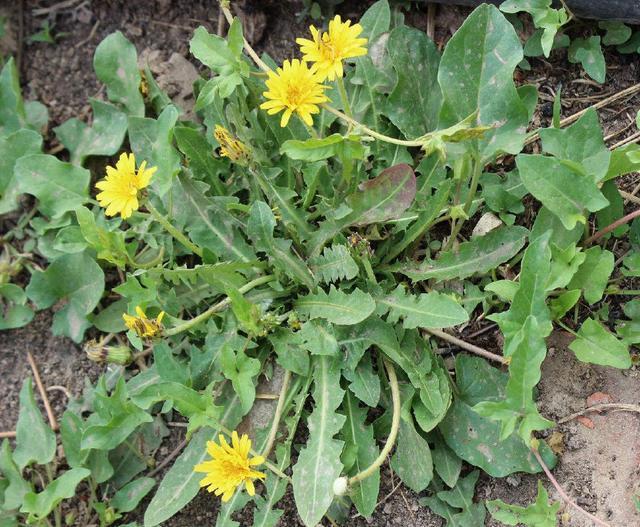
Ku po po ding
Ku po po ding, known academically as dandelion (Taraxacum), also called yellow-flower seedling, yellow-flower earth nail, yellow-flower lang, wood yam, thin pulp, bu bu ding, milk juice or bitter alfalfa, etc. It is a perennial herbaceous plant, with leaves obovate-lanceolate, oblanceolate or oblong-lanceolate, and 1 to several flower scapes, equal to or slightly longer than the leaves. The achene is obovate-lanceolate, dark brown. The flowering period is April to September, and the fruiting period is May to October.
It is widely distributed in many places in North China, Central China, East China, Northeast China and other regions. In spring, summer and autumn, dandelions grow in fields, roadsides, hillsides, and in front of and behind houses; the number of units or individuals cultivating dandelions artificially is also increasing day by day. The development and utilization of dandelion has broad prospects.
Morphological characteristics
The dandelion root is spindle-shaped or conical, growing vertically, penetrating relatively deep into the soil, single or branched. The aboveground stem is not obvious, 10-25cm high, and the whole plant is covered with sparse white soft hairs and contains white milky juice. The basal leaves spread out in a rosette shape, and the leaf blades are obovate-lanceolate or linear-lanceolate, about 15cm long and about 5cm wide, with large pinnate lobes or pinnate lobes; the segments are triangular, entire or with several teeth, the apex slightly obtuse or pointed, and the base gradually narrows into a petiole, hairless or with cobweb-like fine soft hairs. It blooms in spring or autumn, and the flower stem is shorter than or equal to the leaves, but elongates when fruiting, with cobweb-like hairs; the capitulum is about 3.5cm in diameter, the involucral bracts are herbaceous and green, some may be tinged with pale red or purplish red, with or without small horns at the apex, and with white cobweb-like hairs; the ligulate flowers are bright yellow, with red fine stripes at the apex, bisexual, with 5 stamens and 1 pistil. The achene is oblanceolate, earth-yellow or yellow-brown, about 4cm long, with longitudinal ridges and transverse tubercles, and the transverse tubercles above the middle have spiny protrusions, the beak is 6-8mm long, and the pappus is white, turning yellow-brown when mature.
Biological characteristics
Dandelion is a short-day plant, and high temperature and short-day conditions are favorable for bolting and flowering; it is relatively shade-tolerant, but good light conditions are favorable for stem and leaf growth. It has strong adaptability and is not selective about soil, but grows better in sunny, fertile, moist sandy loam; it can germinate when the early spring soil temperature is 1-2°C, the seeds germinate fastest when the soil temperature is 15-20°C, but germinate more slowly when the temperature is above 25-30°C, and the optimum temperature for leaf growth is 15-22°C.
Distribution range
Many countries in the world, such as the United States, France, Japan, Russia, etc., all have wild or cultivated dandelions. The distribution of dandelion in China is even more widespread. In many places in North China, Central China, East China, Northeast China and other regions, in spring, summer and autumn, dandelions grow in fields, roadsides, hillsides, and in front of and behind houses; the number of units or individuals cultivating dandelions artificially is also increasing day by day. The development and utilization of dandelion has broad prospects.
Main value
Medicinal value
Dandelion can treat diseases and cure illnesses, as recorded in ancient books long ago. For example, Li Shizhen's "Compendium of Materia Medica" says: "For women's breast abscess and swelling, boil in water, drink the decoction and apply it externally, and it will disappear immediately. It resolves food poisoning, disperses stagnant qi, transforms heat toxin, reduces malignant swelling, scrofula, and treats swelling... It blackens the beard and hair and strengthens the tendons and bones. White juice: applied to malignant thorns and fox-urine thorn sores, it heals immediately." Modern medicine has also confirmed through research that dandelion has very high medicinal value. The various triterpene alcohols contained in its root are taraxasterol, taraxerol, taraxacin, as well as caffeic acid, inulin, and pectin; the whole plant contains inositol, asparagine, bitter substances, saponins, resin, inulin, pectin, and choline; the flowers contain flavoxanthin, vitamin B2, etc. Dandelion has a certain bactericidal effect on resistant strains of Staphylococcus aureus, hemolytic Streptococcus, and Diplococcus pneumoniae, Meningococcus, Corynebacterium diphtheriae, Pseudomonas aeruginosa, Proteus, Salmonella typhi, Shigella, etc.
Efficacy and effects: clearing heat and detoxifying; reducing abscesses and dissipating nodules. Mainly for breast abscess; lung abscess; intestinal abscess; mumps; boils and sores; red and swollen eyes with pain; cold and fever; cough; sore throat; stomach fire; enteritis; dysentery; hepatitis; cholecystitis; urinary tract infection; snake and insect bites. Used for boils and toxic swellings, breast abscess, scrofula, red eyes, sore throat, lung abscess, intestinal abscess, damp-heat jaundice, and painful heat strangury.
Long-term and extensive facts prove that dandelion is a precious Chinese herbal medicine, sweet and bitter in flavor and cold in nature. Clearing heat and detoxifying can be used for heat toxin syndromes, and it is especially good at clearing liver heat, treating red and swollen eyes with pain due to liver heat, as well as various infectious and suppurative diseases. Reducing abscesses and dissipating nodules treats abscesses and sores caused by heat toxin accumulating in the muscles, with persistent high fever. It has good effects on breast abscess, can detoxify, dissipate nodules and promote lactation, and can be taken orally or applied externally, often used together with honeysuckle, etc. In addition, it can be combined with rhubarb and moutan bark to treat intestinal abscess.
Main indications: acute mastitis, parotitis, lymphadenitis, scrofula, boils and sores, acute conjunctivitis, pharyngitis, cold and fever, acute tonsillitis, rheumatoid arthritis, acute bronchitis, gastritis, hepatitis, pneumonia, cholecystitis, acute and chronic appendicitis, urinary system infections, osteomyelitis, vaginitis, pelvic inflammation, duodenal ulcer, acne, pimples, calculus disease, and dozens of other conditions including various cancers. Its proven prescriptions are widely circulated among the people, and many medical books and newspapers and magazines have also published them.
Contraindications for use
Most infection cases belong to heat syndromes, so using dandelion for treatment will not produce adverse reactions or worsen the condition. However, a small number of infection cases belong to yin-cold, and at this time the body will not show fever, and the course of the disease is also relatively long, and the patient's physical constitution is relatively poor. If a large dose of dandelion is used to treat the disease at this time, then not only will it fail to improve the disease, but the patient may even experience decreased appetite, worsening physical condition and fatigue, and even night sweats and pale complexion, and the body will become worse and worse. Therefore, in daily life, dandelion must be used with caution, and it absolutely must not be simply regarded as a universal antibacterial and anti-inflammatory medicinal material, otherwise the harm to the body is relatively great.
In addition, taking a large amount of dandelion can easily cause various gastrointestinal discomforts, such as nausea, the urge to vomit, abdominal discomfort, and diarrhea, etc. This is mainly because after taking a large dose of dandelion, the renal tubules in the body become narrowed, and the liver cells and the epithelial cells of the renal tubules show mild turbidity and swelling, which leads to various diseases in the body.
[Can be used as veterinary medicine]
Dandelion is not only a good dietary vegetable and a good medicine for treating diseases for humans, but can also be used relatively widely in animal husbandry and veterinary medicine. It can be used as a precious feed additive and can also treat various diseases of various livestock. For example, boiling the whole dandelion plant in water and administering the decoction can treat upper respiratory tract infections in livestock; decocting dandelion in water and applying it hot to the affected area can treat mastitis in livestock; dandelion combined with Viola philippica and winter melon seeds can treat emphysema, fever and asthma in livestock; dandelion combined with Artemisia capillaris can treat painful urination, fever and abdominal distension in sheep; dandelion and Vaccaria seed ground into fine powder together, with yellow rice wine and brown sugar as guiding agents, can treat insufficient milk in female livestock; dandelion decoction mixed with white sugar can treat nosebleeds in cattle and horses; dandelion, apricot kernel and alum decocted in water and taken warm can treat laryngitis in cattle and horses; dandelion and yellow chrysanthemum mashed together and applied to the affected area can treat abscesses and sores in livestock, etc.
Dietary therapy value
Dandelion, whether wild or artificially cultivated, is a nutrient-rich specialty vegetable. The edible portion of the fresh tender whole dandelion plant is about 84%, and per 100g, the edible portion contains 4.8g protein, 1.1g fat, 5.0g carbohydrates, 2.1g crude fiber, 216.0mg calcium, 93.0mg phosphorus, 10.2mg iron, 7.35mg carotene, 0.03mg vitamin B1, 0.39mg vitamin B2, 47.0mg vitamin C, and 1.9g nicotinic acid. Dandelion is not only rich in nutrients, but also has very high medicinal value[3]. Therefore, it is not an ordinary specialty vegetable, but a precious dietary vegetable.
How to eat it? The "Compendium of Materia Medica" has a saying: "The tender seedlings of dandelion can be eaten, and eating them raw is especially good for treating infectious diseases." It can thus be seen that dandelion can be stir-fried and eaten, and can also be used as a cold dressed dish. Of course, it can also be combined with other dishes and seasonings and cooked into various dietary delicacies with excellent color, aroma and taste. For example, stir-fried shredded pork with dandelion, because dandelion has the functions of clearing heat, detoxifying, reducing swelling and dissipating nodules, and pork has the effects of nourishing yin and moistening dryness, and tonifying the middle and supplementing qi, the two combined into a dish not only tastes delicious, but can also provide various nutrients, and thus can be used as dietary therapy for colds, gastritis, cough, blood in the stool, and boils and sores, etc.; garlic dandelion can be used as dietary therapy for acute mastitis, lymphadenitis, acute conjunctivitis, cholecystitis, gastritis, hepatitis, boils and toxic swellings, scrofula and other conditions; dandelion and mung bean soup can be used as dietary therapy for various inflammations, urinary tract infections, constipation, etc. In addition, manufacturers can also use deep processing methods to make dandelion into dandelion coffee, dandelion beverages and various health foods for sale, which can not only achieve relatively good economic benefits, but also benefit people's health, and can also promote the development of the dandelion industry, truly achieving multiple benefits at once.
Beauty effects
Dandelion (ku po po ding)
Dandelion is not only rich in nutrients and high in medicinal value, being a good dietary vegetable and a good medicine for treating diseases, but has also been relatively widely used in beauty care.
Whether you have dry skin, oily skin, aging skin, or freckles, pigmented spots, dermatitis, pimples, as well as acne, sycosis, white hair, hair loss, etc., dandelion can help you eliminate these "blemishes" and get rid of your troubles, making you "flawless as white jade" and radiant. For example, dandelion combined with Forsythia suspensa and Equisetum hiemale can be used for skin care - treating acne; dandelion combined with purslane can be used to treat oil-paint dermatitis; after decocting dandelion and filtering it, applying the juice to the face can be used to treat dry skin; after mashing dandelion and mixing it with honey, it can be used to treat wrinkled and aging skin; boiling fresh dandelion flowers and applying the juice to the face morning and evening can be used to treat freckles and pigmented spots; mixing dandelion juice and parsley juice evenly as a skin lotion can be used to treat albinism pigmented spots, etc.
Dandelion contains vitamins and has the effect of clearing heat and detoxifying. It can treat liver heat, boils and sores, as well as various infectious and suppurative diseases. It will have some effect on heat-toxin type acne, and can be taken orally or applied externally, with the effect depending on each person's symptoms and constitution.
Ornamental value
Specialized works such as "Bai Hua Hui" and "Qun Mang Pu Quan Shi" all provide detailed introductions to the role of dandelion in greening and beautifying the environment. Although "Bai Hua Hui" also points out: "Dandelion does not have the delicate beauty of peony, the rich fragrance of rose, or the snow-white color of cherry blossom, but it is ordinary in appearance yet beautiful within, and has extremely strong vitality." The main manifestations of dandelion's inner beauty are: first, it is plain and unadorned, with extremely vigorous growth and quite spectacular appearance; second, it blooms twice, in spring and autumn, and the spring flowering period is extremely early; third, although the flowers are not large and not as gorgeous as peony, rose, or cherry blossom, their flower quantity is large and pure, with a unique style, and they are also quite loved by people; fourth, they have wide uses and can achieve multiple benefits at once, achieving twice the result with half the effort. The main manifestations of its extremely strong vitality are: first, once planted, it can be used for many years; second, after flowering it becomes fluff, flies with the wind, and grows as soon as it lands on wet ground; third, it is not selective about soil, and can grow vigorously even in thin and poor land; fourth, it is cold-resistant, heat-resistant, drought-resistant, waterlogging-resistant, and resistant to pests and diseases, with very few natural disasters; fifth, it can compete with various weeds and win. Therefore, dandelion can achieve satisfactory results whether planted as ground cover or cultivated as a bonsai.
Nutritional value
Ku po po ding, also called dandelion, many people have seen it in the wild. Its pollen contains vitamins and linoleic acid, while the branches and leaves contain choline, amino acids and trace elements. The main functions of ku po po ding are clearing heat and detoxifying, reducing swelling and promoting diuresis. It has broad-spectrum antibacterial effects and can also stimulate the body's immune function, achieving cholagogic and liver-protecting effects. After blanching, it can be eaten raw, stir-fried, or made into soup, such as jellyfish skin mixed with ku po po ding, stir-fried shredded pork with ku po po ding; it can also be combined with green tea, licorice, honey, etc., to make a cup of ku po po ding green tea that can clear heat, detoxify and reduce swelling.
Edible value
How to eat
Dandelion can be eaten raw, stir-fried, made into soup, or dressed with seasonings, with a unique flavor.
[Eaten raw]: Wash the fresh tender stems and leaves of dandelion, drain them, and dip them in sauce. They have a slight bitter taste, and are delicious, fresh, fragrant and refreshing.
[Cold dressed]: Blanch the washed dandelion in boiling water for 1 minute, drain it, and rinse it with cold water. Dress it with chili oil, monosodium glutamate, salt, sesame oil, vinegar, mashed garlic, etc., or mix it into side dishes with different flavors according to your own taste.
[As filling]: Wash the tender stems and leaves of dandelion, blanch them in water, squeeze them slightly, chop them, add seasonings to make a filling (meat can also be added) and wrap dumplings or buns.
Dietary therapy recipes
Cold dressed dandelion
[Ingredients]: A large handful of dandelion, one large spoon of chopped chili, 3 garlic cloves;
[Seasonings]: An appropriate amount of salt, one large spoon of oyster sauce, one small spoon of sesame oil, a little chicken essence;
[Method]:
1. First, pick and wash the dandelion. Set a pot on the stove to boil water. After the water boils, sprinkle in a little salt, put in the dandelion and blanch it, then quickly remove it and rinse with cold water, then soak it in cold water for a while;
2. Chop the garlic cloves, add chopped chili, oyster sauce, chicken essence, and sesame oil to make a sauce;
3. Remove the dandelion and rinse it with cold boiled water, squeeze out the water, pour over the prepared chopped chili sauce, and mix thoroughly.
Tips:
1. Dandelion itself has a bitter taste, so it must be blanched in boiling water, and then soaked in cold water to remove the bitter taste.
2. For cold dressed dishes, it is still recommended to rinse them once with cold boiled water before preparing, as it is more hygienic.
3. Chopped chili and oyster sauce both have a salty taste, so this dish does not need additional salt.
4. Dandelion is also called bed-wetting grass, and it has a very good effect on promoting diuresis; it is rich in vitamin A and C and minerals, and has an improving effect on indigestion and constipation; in addition, the leaves also have the blood-purifying effect of improving eczema, soothing dermatitis, and joint discomfort; its root has an anti-inflammatory effect and can treat gallstones and rheumatism.
Garlic dandelion
[Ingredients]: 250 grams of dandelion, 6 grams of minced garlic, 3 grams of refined salt, 1 gram of monosodium glutamate, 12 milliliters of aromatic vinegar, 26 milliliters of sesame oil.
[Method]:
1. After washing the dandelion, cut it into 2-centimeter-long sections.
2. Put the minced garlic, refined salt, monosodium glutamate, aromatic vinegar, and sesame oil into a container, stir evenly, then add the dandelion and mix well.
Stir-fried shredded pork with dandelion
[Main ingredients]: 100 grams of pork, 250 grams of fresh dandelion leaves or flower stems.
[Seasonings]: Appropriate amounts of monosodium glutamate, refined salt, cooking wine, chopped scallion, minced ginger, soy sauce, and vegetable oil.
[Method]:
1. Remove impurities from the fresh dandelion leaves or flower stems and wash them, blanch them in a boiling water pot, remove and wash them, drain the water, and cut into sections.
2. Wash the pork and cut into shreds. Put cooking wine, refined salt, monosodium glutamate, soy sauce, scallion, and ginger into a bowl at the same time, mix evenly and thicken into a sauce.
3. Heat the oil in a wok, add the shredded pork and stir-fry, add the sauce and stir-fry until the meat is cooked, then add the fresh dandelion leaves or flower stems and stir-fry until flavored, then remove from the wok and plate.
[Note]: This dish can be made with fresh dandelion leaves or flower stems, and the edible effect of the flower stems is even better.
[Efficacy]: Dandelion has the effects of clearing heat, detoxifying, promoting diuresis and dissipating nodules. Pork has the effects of nourishing yin and moistening yang, and tonifying the middle and supplementing qi. The two combined to make this dish can provide the human body with rich protein, fat, carotene, and vitamin C. It is suitable for boils and sores, scrofula and red eyes, blood in the stool, cough, consumptive thirst, gastritis, colds and other conditions.
Jellyfish with dandelion
[Ingredients]: 150 grams of jellyfish, 200 grams of dandelion, 5 grams of shredded ginger, 20 grams of white sugar, 20 milliliters of aromatic vinegar, 1 gram of refined salt, 15 milliliters of sesame oil.
[Method]:
1. Cut the jellyfish into shreds, put them into an 80°C hot water pot and blanch them, then quickly remove them, soak them in cold water until they no longer taste salty, then remove and drain the water.
2. After washing the dandelion, cut it into 4-centimeter-long shreds.
3. Mix white sugar, aromatic vinegar, refined salt, and sesame oil to make a sweet and sour sauce, then add the dandelion shreds and shredded ginger and mix well, then place them on a plate. Mix the remaining sauce with the jellyfish shreds, and place them on top of the dandelion.
Heat-clearing egg drop soup
[Ingredients]: 100 grams of dandelion, 1 egg, half a ham sausage, 6 grams of refined salt, 1 gram each of monosodium glutamate and chicken essence, 6 milliliters of Shaoxing wine, 600 milliliters of fresh soup or water, 10 milliliters of sesame oil, and an appropriate amount of starch.
[Method]:
1. Cut the washed dandelion and ham sausage into fine shreds respectively, and beat the egg.
2. Pour the fresh soup into a clean pot and place it on the fire, add refined salt, monosodium glutamate, chicken essence, and Shaoxing wine. After the soup boils, thicken with a thin starch slurry. After it boils again, add the shredded ham sausage. When the shredded ham sausage floats, add the dandelion shreds, and pour in the egg liquid. After it boils, quickly remove from the fire and place it in a soup bowl, then drizzle with sesame oil.
Dandelion, red bean and carp
[Main ingredients]: One carp, 100 grams of dandelion, 50 grams of red beans.
[Seasonings]: 6 grams of dried tangerine peel, 6 grams of apple, and a little each of scallion, ginger, refined salt, white sugar, monosodium glutamate, pepper, and chicken soup. An appropriate amount of green leafy vegetables.
[Method]:
1. Remove the scales, gills and internal organs of the carp, and wash it. Wash the dried tangerine peel, red beans, and apple, and stuff them into the fish belly.
2. Pick and wash the dandelion, chop it, put the whole plant including flowers into a gauze bag, tie the bag tightly, put it in a pot, add water and decoct, remove the gauze bag and take the concentrated juice.
3. Put the fish into a basin, add appropriate amounts of scallion, ginger, white sugar, pepper, refined salt, medicinal juice, and chicken soup.
4. Steam in a steamer for about 60-80 minutes, and take it out after the fish is cooked. After blanching the green leafy vegetables in boiling water until cooked, put them into the fish soup, add monosodium glutamate to adjust the taste, and then it is ready to eat.
[Efficacy]: This product has a light soup, fresh taste, and fragrant medicinal juice. It can be used for consumptive thirst and edema, jaundice hepatitis, beriberi, damp-heat, difficult urination and other conditions.
Dandelion and mung bean soup
[Main ingredients]: 100 grams of dandelion, 50 grams of mung beans.
[Seasonings]: An appropriate amount of white sugar.
[Method]: Remove impurities from the dandelion and wash it, put it in a soup pot, add an appropriate amount of water and decoct. After decocting, take the filtrate, discard the residue, put the filtrate back into the soup pot, add the mung beans, cook until soft and thoroughly cooked, add white sugar and mix well.
[Efficacy]: This soup is made by combining dandelion and mung beans, and has the effects of clearing heat, detoxifying, promoting diuresis and reducing swelling. It is suitable for various inflammations, urinary tract infections, difficult urination, constipation and other conditions.
Dandelion and japonica rice porridge
[Ingredients]: 150 grams of tender dandelion seedlings, 100 grams of japonica rice. Appropriate amounts of refined salt, chopped scallion, and vegetable oil.
[Method]: Remove impurities from the dandelion and wash it, blanch it in a boiling water pot, remove and wash it and chop it. Wash the japonica rice clean. Heat the oil in a wok, add the chopped scallion and stir-fry until fragrant, add the dandelion and refined salt and stir-fry until flavored, then remove from the wok and set aside. Add an appropriate amount of water to the pot, put in the japonica rice and cook until it becomes porridge, then pour in the dandelion and cook for a while.
[Efficacy]: The edible porridge tastes slightly bitter and has the effects of clearing heat, detoxifying, reducing swelling and dissipating nodules. It is suitable for breast abscess, sores and swelling, lymphadenitis and other conditions, with remarkable curative effects. Among the people, it is mostly used for infection and inflammation, breast abscess and swelling pain and other conditions. Healthy people eating it can enhance disease resistance and disease prevention ability, moisten the skin, blacken the hair and strengthen the tendons and bones.
Dandelion and water shield shredded chicken soup
[Main ingredients]: 50 grams of dandelion, 1 bottle of West Lake water shield, 100 grams of chicken breast, 150 grams of clear soup, 2 eggs.
[Seasonings]: Appropriate amounts of refined salt, monosodium glutamate, cooking wine, and water starch.
[Method]:
1. Pick and wash the dandelion, and cut into sections. Remove the tendons and skin from the chicken breast, soak it in cold water for 30 minutes, remove and cut into shreds. Open the bottle of water shield and pour it into a bowl. Remove the yolks from the eggs and keep only the whites.
2. Rinse the shredded chicken briefly with clean water, remove and squeeze out the water, put it into a bowl, add egg white, refined salt, and water starch and mix well to coat. After the pot of water boils, remove from the fire, scatter the shredded chicken and put it into the boiling water, then put the pot back on the fire, use chopsticks to separate the shredded chicken, and when the shredded chicken turns white, remove it into a bowl and soak it in cold clear soup.
3. Bring 500 grams of clear soup to a boil, put the dandelion into the clear soup and blanch until thoroughly cooked, then remove it into a soup bowl. Also blanch the shredded chicken thoroughly with boiling clear soup and put it into the soup bowl. Boil the remaining clear soup, adjust the taste with cooking wine, refined salt, and monosodium glutamate, and pour it into the soup bowl.
Features: This product has crisp, tender, refreshing, soft and smooth dandelion and water shield, and the soup is fresh and delicious.
Crispy fried dandelion
[Ingredients]: 300 grams of dandelion, one cup of rice flour, one egg, one bowl of cold boiled water, appropriate amounts of vegetable oil and refined salt.
[Method]:
1. Wash the dandelion, drain the water and set aside.
2. Crack the egg into a container, add cold boiled water and beat again, then pour in the rice flour and stir, sprinkle in a little salt and mix into a thin batter for later use.
3. Dip the drained dandelion piece by piece into the egg batter, that is, coat it or hang it with flour coating.
4. Place the oil pot over medium heat, heat the vegetable oil until it is 60% hot, add the dandelion and fry until crispy, fragrant and green, then remove, drain the oil in a slotted spoon, and plate.
Features: This dish has no bitter taste, is crispy and delicious, and has a unique flavor.
Superior soup beef with dandelion
[Ingredients]: 400 grams of dandelion, 300 grams of lean beef, 500 grams of clear chicken soup, a little sesame, and appropriate amounts of salt and soy sauce (or tomato sauce, jam, salty sauce, etc.).
[Method]:
1. Wash the dandelion and blanch it briefly in boiling water, remove immediately, drain the water, and spread it on the bottom of a soup bowl.
2. Cut the beef into extremely thin slices, and spread them over the dandelion in the soup bowl. When the superior soup boils, pour it over the beef slices. The soup should cover the meat and vegetables. Cover with a lid and simmer for 3-5 minutes. Separately place seasoning soy sauce or sauce in a small dish, sprinkle with sesame, and dip when eating. Different seasoning sauces used produce different flavors.
[Features]: It uses the essence of superior soup, does not use oil, and maintains the original flavor.