Compact pot soil doesn't need repotting or soil replacement - one trick solves it easily
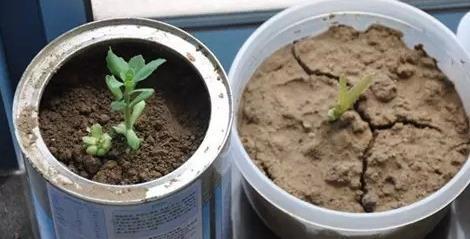
After growing potted flowers for a long time, you'll notice the potting soil becomes increasingly compacted. Compacted potting soil severely affects plant growth. At this point, most people choose to replace the soil, but many gardeners damage the plant's root system due to improper repotting.
But many gardeners also can't be bothered to repot.
So today Xiaomei will teach you one trick - you can easily solve the problem of compacted soil without repotting!
Method: Loosen the surface layer of the potting soil, then crush some sun-dried uncomposted cake fertilizer, poultry manure, etc. into powder, and evenly sprinkle it on the surface of the potting soil. Don't use too much - a thin layer where the potting soil is still barely visible is best (otherwise the heat generated by fertilizer decomposition will burn the seedlings). After sprinkling, remember to spray water promptly to promote fermentation of the raw fertilizer.
The benefit of doing this is that after the dry fertilizer ferments on the surface of the potting soil, it also ferments the surface soil layer, thereby making the soil loose; also, the fermented nutrients seep down with watering, allowing the potted flower's roots to absorb sufficient nutrients. However, this method should not be used frequently, as it is detrimental to flower growth.
Causes of compacted potting soil include:
1. The water used for watering flowers has high hardness, causing the soil to harden and compact;
2. Improper fertilizer use - many people like to water flowers with unfermented milk or soy milk. The protein cannot be absorbed by plants, leading to compaction of the potting soil;
3. Directly watering flowers with tap water - tap water contains a certain amount of bleaching powder and chlorine, which are also major factors causing potting soil compaction.
Methods to prevent potting soil compaction:
1. If using rice water to water flowers, be sure to use fermented rice water;
2. Adding one or two drops of vinegar to the water used for watering flowers can effectively prevent soil compaction;
3. During regular care, loosen the soil frequently. If the potting soil is not loosened for a long time, it will also become compacted. Loosen the soil when the surface of the pot is dry, then water. Especially after heavy rain. This way, you can maintain the air permeability of the potting soil and improve the absorption capacity of the root system;
4. For fertilizing, it is best to use organic fertilizer that has been decomposed, fermented and sterilized, and use less chemical fertilizer;
5. When watering flowers normally, if using tap water, be sure to first put it in a bucket and let it sit for 1 or 2 days before using it to water flowers. Pour out the bottom portion and don't use it for watering. If conditions permit, it is best to use rainwater or river water to water flowers;
6. You can add growing media to improve the looseness of the potting soil. You can add peat, bark, wood shavings, rice husks, sawdust, and perlite, vermiculite, ceramsite, volcanic cinders, etc.;
7. Water in the north has relatively high hardness, so normally we can put rotten apples, hawthorn, wild jujube, apricots and tomatoes, etc. in a container and ferment them for a period of time to make acidified water. When using, water directly or dilute with an equal amount of water. This can effectively prevent alkalinization and compaction of the potting soil.