Daily care for a potted Radermachera sinica (China doll): calming the mind and quieting the spirit in the study, and transforming negative energy into prosperity on the balcony
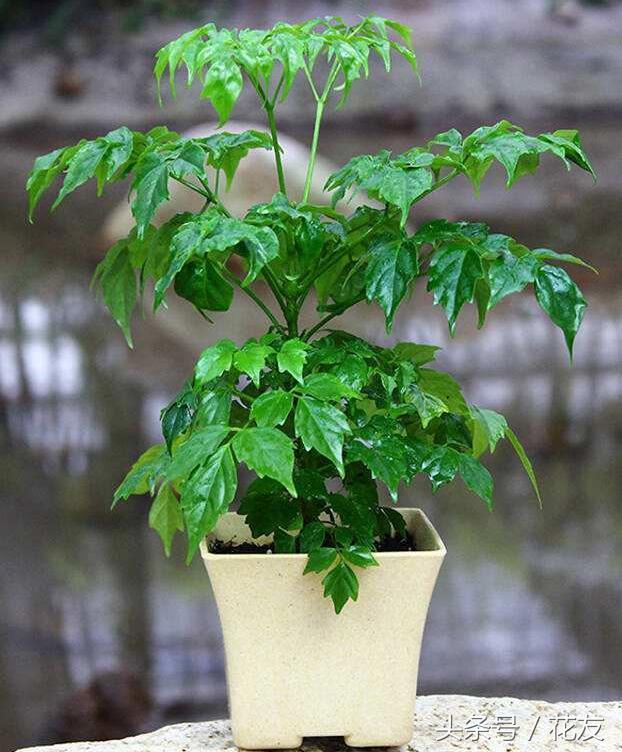
Radermachera sinica can absorb harmful substances from the air and has an anti-radiation effect, giving you back a healthy working and home environment. As an ornamental plant, the color and gloss of the Radermachera sinica leaves as well as the tree shape all determine its value. If we are eager to move in after renovating our home, we can keep a pot to purify the air. The cultivation methods for Radermachera sinica mainly include understanding its characteristics and habits, the various conditions needed for its growth, and common knowledge on its care. Below, Huayoujun mainly starts from these aspects to provide everyone with the methods for growing Radermachera sinica and related knowledge on its care.
Huayou: The growth habits and care of Radermachera sinica
1. Soil
When growing Radermachera sinica, the soil is also especially important. It is best to choose a loose, breathable, well-draining and nutrient-rich soil, usually prepared with garden soil: leaf mold: decomposed organic fertilizer: river sand = 5:3:1:1. During the growing season, loosen the soil once a month to ensure the roots are always in a well-aerated state. If water accumulates in the pot, drain it as soon as possible, and after the potting soil dries out, repot and change the soil.
Radermachera sinica
2. Sunlight
Radermachera sinica is a sun-loving plant. It can survive placed in full sun or in a semi-shaded environment, but neither should be extreme. If in summer the sunlight in some areas is too strong, do not expose it to blazing sun. If it is outdoors, you can build a small shed above the Radermachera sinica, with light coming in on three sides and shade on top, so that during the hottest times the sun cannot scorch it. When the sun rises or sets in the west, let the light shine from the side to prevent the Radermachera sinica from withering due to scorching. If placed in a shady spot for a long time, the Radermachera sinica will, because of long-term lack of sunlight, have its leaves turn yellow and eventually fall off.
Light is very important. Radermachera sinica likes to grow in a semi-shaded environment, though full light is also acceptable. When it sprouts in spring, it only needs appropriate watering, which can inhibit the Radermachera sinica from growing too tall. In the high-temperature season, it needs to be misted 2-3 times a day to prevent heatstroke; increasing misting for the plant will create a cool and moist environment.
Huayou: Common pest and disease control for Radermachera sinica
3. Temperature
Radermachera sinica originates from tropical and subtropical regions, so naturally it is a plant that likes high temperatures. The most suitable temperature is around 20 degrees, but the maximum should not exceed 28 degrees, and the minimum should not be lower than 8 degrees. In summer, if the temperature is higher than 28 degrees, please place the Radermachera sinica indoors, or inside a shed, preferably with ventilation and misting the leaves to help it cool down. In autumn and winter, if the temperature drops below 10 degrees, try to place the Radermachera sinica in an environment with air conditioning or heating to prevent discomfort or even frostbite caused by too low a temperature. No matter the season, try to keep the Radermachera sinica living at a suitable temperature.
The growing environment of Radermachera sinica is also very important, mainly the temperature. The daytime growing temperature is 20°C-21°C, and at night it is 18°C-19°C. In the hot midsummer, try to keep the temperature below 27°C. When the ambient temperature is very high, appropriately build a shed for shade. Increase the ambient humidity, thereby increasing the humidity on the leaf surface. In winter, the temperature must not be lower than 8 degrees, and the humidity must not be less than 5 degrees, otherwise it will suffer frostbite.
Radermachera sinica
4. Water
Radermachera sinica likes a relatively moist environment, but the roots must not be soaked in water. Keeping the soil moist is enough. Water must not be lacking, but do not overwater, otherwise the roots will rot. In the high-temperature summer season, the plant consumes a lot of water, and combined with the high temperature, you should often check the soil moisture and replenish water in time. Every 2-3 days, spray some water on the leaves to increase humidity and also help lower the temperature.
5. Fertilizing
If Radermachera sinica is grown in a bonsai pot, over time the soil will lack elements, so fertilizer must be replenished in time; otherwise, if it cannot absorb nutrients from the soil, how do you expect it to live? Radermachera sinica grows very quickly and has a very large demand for nutrients, so you must often loosen the soil, apply nitrogen-phosphorus-potassium fertilizer diluted with water onto the soil, or simply go to a flower market and buy ready-made fertilizer and fertilize regularly according to the instructions. Treat it well, and only then will it bring you happiness! Water about once every 3 days, and be sure to water thoroughly. So-called thorough watering is not just looking to see water seeping out from the drainage tray. The weather is dry now, and cracks will appear along the edge of the flower pot. Before watering, first use a hard object to fill the cracks with soil, and then water. Otherwise, the water will flow down along the cracks and cannot thoroughly water the whole pot.
6. Pest prevention
All plants need pest prevention, only the types of pests to prevent differ. The main pests and diseases to prevent for Radermachera sinica: leaf spot disease, mites, aphids, scale insects, etc. Leaf spot disease, as the name suggests, is when the leaves develop spots. In this situation, promptly remove the leaves, and it is best to take them outdoors and burn them to prevent other leaves from becoming infected. Scale insects generally grow on the tree trunk; once discovered, promptly brush them off and kill them. The main cause of the above two diseases is breeding in a high-temperature, unventilated environment, so ventilation is essential. Both of these pests are easy to observe, and if discovered in the early stage of disease, timely remedies can be made. Mites cannot be seen with the naked eye, and aphids are very small and not easy to notice without careful observation. The main sign is that when new leaves grow they become wrinkled and curled, and the leaf surface is uneven. Pesticide should be applied promptly to remove the insects.
Green plants play a very good role in beautifying the home, and they perform especially prominently in purifying the air. Radermachera sinica is just such an ornamental plant.
1. Removing odors
A potted Radermachera sinica can effectively absorb formaldehyde and benzene, making it the first-choice plant for a house after renovation. Through its leaves, it can correct odors and also resist bacteria. It also has a certain ability to absorb harmful gases such as carbon monoxide in the air, and of course, it also has a certain effect in resisting exhaust gas produced by burning tobacco. Therefore, Radermachera sinica can serve as a "high-efficiency air purifier" in a newly decorated home.
Radermachera sinica
2. Releasing oxygen at night
Besides purifying the air, Radermachera sinica can also absorb carbon dioxide at night and release oxygen, increasing the negative ion content in the air and raising air humidity. Because of this, Radermachera sinica is very helpful in improving indoor air quality. Small Radermachera sinica plants are also suitable for placement in the bedroom, where they can supplement oxygen, purify the air, and benefit our sleep quality.
3. Showing off personal taste
As the saying goes, everyone has a love of beauty. Although Radermachera sinica is not as gorgeously charming and colorful as flowers, it reveals a resolute beauty within its simplicity. The upright trunk and emerald-green leaves constantly tell people how vigorous its vitality is. Growing Radermachera sinica shows the owner's taste and love for plants. Of course, it is also constantly improving the home environment, making your home more beautiful.
Friends interested in growing flowers can follow the public account: Huayou. Every day there are wonderful articles on growing and appreciating flowers to share with you, and fellow flower enthusiasts to enjoy the sea of flowers with you. Submission email: [email protected].