What green plants can remove formaldehyde? Here are several recommended ones
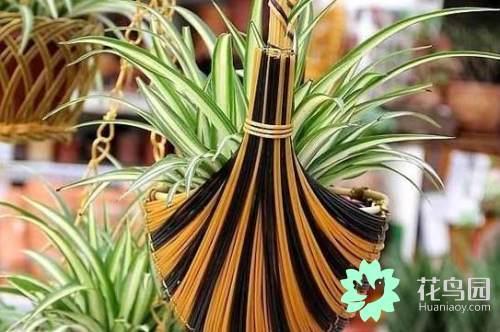
Excessive luxury in interior decoration can also cause indoor formaldehyde levels to rise. There are many ways to remove formaldehyde, and many families choose to place various green plants after renovating a new home to remove formaldehyde and other odors and purify the air. In fact, this is also a very good method. Air-purifying green plants, remember to buy them and place them in the room after renovating a new home.
1. Spider plant. It is understood that there is a type of spider plant also called "Zhebiehe", which is not only beautiful but also has a particularly good adsorption effect on toxic gases.
Spider plants can carry out photosynthesis in weak light and can absorb more than 80% of harmful gases indoors, with an extremely strong ability to absorb formaldehyde. Generally, keeping 1-2 pots of spider plants in a room can absorb almost all toxic gases in the air. One pot of spider plant in a room of 8-10 sq m is equivalent to an air purifier. Because formaldehyde and other harmful gases in newly renovated houses are continuously released, environmental protection experts recommend keeping more ventilation after renovation and keeping a few pots of spider plants and other green plants. In this way, after the new house is left vacant for three to six months, it can basically meet the standard for moving in. Spider plants can also absorb almost all carbon monoxide and nitrogen dioxide released by stoves, electrical appliances and plastic products, and can also break down benzene and absorb relatively stable harmful substances such as nicotine in cigarette smoke. Therefore, spider plants also have the reputation of being a "green purifier".
Aloe: Aloe can absorb certain odors indoors and also has an indoor beautification effect, with a long-lasting effect. If the owner wants to remove the pungent indoor odor as quickly as possible, we can use light to illuminate the aloe. After being exposed to light, the aloe's vitality will be enhanced and it will become especially vigorous, photosynthesis will also be enhanced, and the oxygen released will be many times more than without light exposure.
Agave, a perennial evergreen plant, with a tall plant body, gray-green or blue-gray leaves, spines on the leaf margins, and yellow-green flowers. It likes a warm environment with sufficient light and has extremely strong drought tolerance. This plant is also a good helper for absorbing formaldehyde.
Ivy is the most ideal vertical green plant variety for indoors and outdoors, strongly removing formaldehyde. It can break down two harmful substances, namely formaldehyde found in carpets, insulation materials and plywood, and xylene hidden in wallpaper that is harmful to the kidneys.
Snake plant, a common household potted variety, tolerant of drought, fond of sunlight and warmth, also tolerant of shade, and averse to waterlogging. It can absorb more than 80% of harmful gases indoors, with an extremely strong ability to absorb formaldehyde.
6. Ping'an tree. Ping'an tree: Large plants such as the Ping'an tree and camphor tree, which are relatively popular on the plant market, can release fresh gas and make people feel cheerful. The Ping'an tree is also called "cinnamon".
7. Gerbera (also known as African daisy). This plant can not only absorb formaldehyde very well but also has strong ornamental value.