What are the cultivation methods and precautions for Daphne odora?
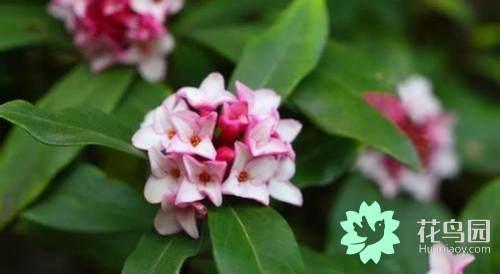
Daphne odora is a very beautiful and elegant plant. There are many varieties of Daphne odora, among which the very famous one is Daphne odora 'Aureomarginata', which is not only suitable for ornamental purposes but also a fine gift. However, Daphne odora is a flowering plant with a rich floral fragrance, so when growing it you need to pay attention to ventilation and to respecting its living habits.
How to grow Daphne odora
Daphne odora prefers a semi-shaded and fairly well-ventilated environment. It is rather afraid of strong sunlight and sunscald, likes moisture, and is not very drought-tolerant, but you also need to be careful not to let it get too wet. For the soil, generally choose loose, fertile soil with good drainage. When fertilizing, nitrogen, phosphorus and potassium are the main nutrients, and a base fertilizer can be used. In winter and spring, be careful to maintain the temperature and provide sufficient light.
Daphne odora cultivation methods and precautions
1. Temperature and light
Daphne odora likes a warm and cool growing environment, prefers shade, and fears cold. It dislikes direct sunlight, so in summer do a good job of shading and provide appropriate ventilation. In winter, move the plant to a sunny spot indoors and keep the room temperature above 8°C.
2. Watering
Daphne odora likes moisture. Normally, just keep the potting soil from being either too dry or too wet. In summer, Daphne odora enters a semi-dormant state, so the amount of watering can be appropriately reduced.
3. Soil
For Daphne odora, it is suitable to choose loose, fertile, well-drained acidic soil.
4. Fertilizer
For fertilizing Daphne odora, nitrogen fertilizer and potassium fertilizer are the main types, and the fertilizer liquid must be fully decomposed. A small amount of black alum water should also be added. Note that Daphne odora should be fertilized lightly, and never too concentrated. Note that it is not suitable to fertilize when the potting soil is too wet or when the temperature is too high or too low. Before overwintering, some decomposed barnyard manure can also be applied.
5. Precautions for growing Daphne odora
Daphne odora is fairly tolerant of pruning. Usually, before it sprouts, you can cut off the densely growing small branches and leave some gaps, which helps ventilation and light penetration. Daphne odora is suitable for pruning work after the flowers fade. In addition to shortening the branches that have already bloomed, you should also cut off overlapping branches, overly dense branches, leggy branches, diseased branches and other branches to ensure the plant's graceful shape.
Daphne odora is generally repotted and given fresh soil once every 2-3 years, usually after the flowers fade. When repotting, remove about 2/3 of the old soil, and at the same time appropriately trim away some of the overly long fibrous roots. You can combine this with repotting and appropriately raise the roots.