How to grow hibiscus? Detailed explanation of cultivation methods and precautions
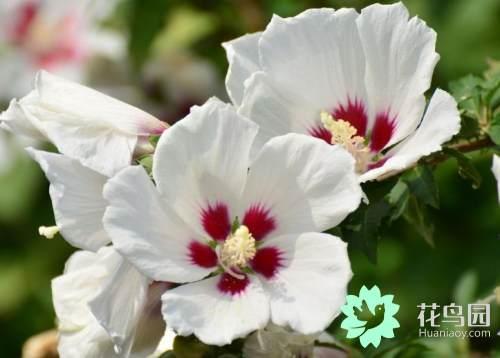
Hibiscus is a common shrub flower species, with bright and elegant colors and great ornamental value, and it is deeply loved by many people. Hibiscus is also known as white hibiscus and big bowl flower, and it is also the national flower of South Korea and Malaysia, and has the name "desert rose." So how should hibiscus be grown? What precautions should be taken during cultivation? Let's take a look at the related introduction below.
Cultivation methods
1. Light
Hibiscus prefers an environment with sufficient light, but it should not be too intense. When the summer sun is at its fiercest, shade is needed to prevent the plant from becoming short of water and wilting.
2. Temperature
Hibiscus has a certain degree of cold tolerance and prefers a warm environment. The optimal growth temperature is about 18-25°C
3. Soil
Hibiscus has no particular requirements for soil, and it can grow normally even in poor or slightly alkaline soil, but fertile, loose soil will make it grow better and produce more vivid flowers.
4. Watering
Hibiscus prefers a moist environment, so the soil should be kept moist at all times. In dry and hot climates, it needs frequent watering to maintain the plant's moisture. It dislikes waterlogging, so when it rains, drainage should be carried out promptly or the plant should be placed indoors to avoid the rain, especially during the plum rain season.
5. Fertilizing
Fertilizing hibiscus should be done with an appropriate amount of fertilizer according to different growth stages to promote vegetative growth. Generally, fertilizing is done in three stages: budding, bud formation, and full bloom. Each time, phosphorus and potassium fertilizer should be the main type, with nitrogen fertilizer as a supplement.
Precautions During the cultivation of hibiscus, attention should be paid to disease infestation. The main diseases of hibiscus are leaf blight and powdery mildew, and the main pests are red spiders, noctuid moths, and others. The control methods mainly involve maintaining suitable temperatures at ordinary times, ensuring good ventilation, and handling problems promptly when diseases are found. Remove diseased leaves, branches, and flowers and bury them deeply or burn them. When pests are found, choose a corresponding insecticide and spray to kill them.
The above is all the content on hibiscus cultivation methods and precautions. We hope it is helpful to everyone. Hibiscus blooms in summer and autumn, and when it blooms, the branches are covered with flowers, giving it great ornamental value. Hibiscus also has an air-purifying effect. Research shows that hibiscus has strong resistance to sulfur dioxide. Friends who like it may want to try growing it.