Do plants have clocks too? Unlocking the biological clock inside plants
The famous botanist Linnaeus, after many years of studying the flowering times of plants, discovered that the time each flower opens is basically fixed; he planted these flowers with different blooming times in a large flowerbed and created a "flower clock." Based on which plant's flowers in the "flower clock" had bloomed, one could roughly tell the time.
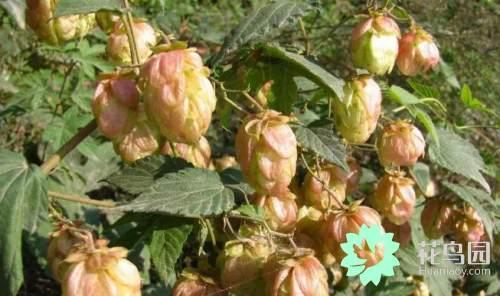
Hop flowers open at about 3 a.m.,
Morning glories open at about 4 a.m.,
Wild roses open at about 5 a.m.,
Peonies open at about 7 a.m.,
Half-flower stonecrops (Portulaca) open at about 10 a.m.,
Goose-bird flowers open at about 12 noon,
Marigolds open at about 3 p.m.,
Four o'clocks (Mirabilis) open at about 5 p.m.,
Tobacco flowers open at about 6 p.m.,
Luffa flowers open at about 7 p.m.,
Epiphyllum flowers open at about 9 p.m.
Why do all kinds of plants have their own specific flowering times, and why are they fixed and unchanging? This was formed through long-term natural selection, which helps the plants' own survival. Scientists have found through research that this phenomenon is controlled by genetic groups, and passed down from generation to generation, it becomes a habit.