Nine Common Mistakes in Growing Flowers: This Is How You're Most Likely to Kill Your Plants
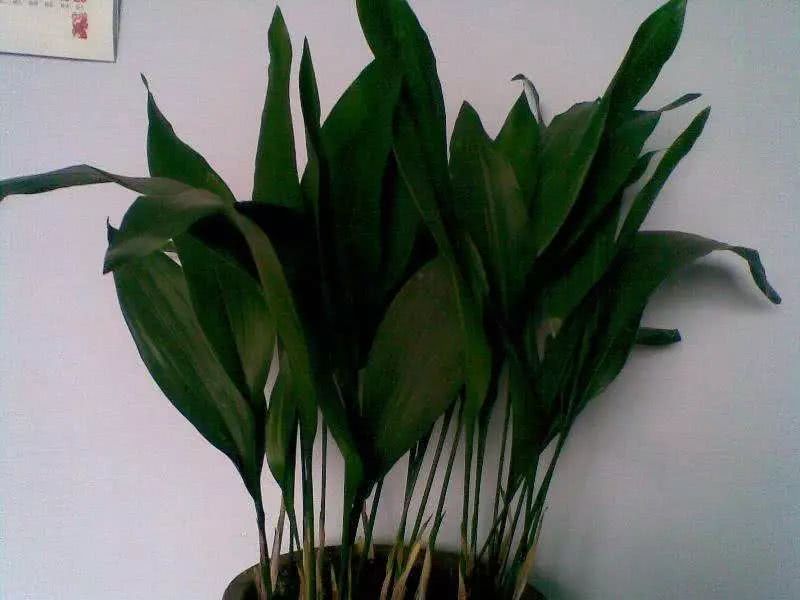
Fresh flowers are synonymous with beauty. A touch of green, a few specks of red, and a corner of the world instantly comes to life. Whether at home or in the office, keeping a few potted plants can both beautify the environment and cultivate a pleasant mood in life. But when you watch the plants you've worked so hard to care for lose their lives, it's hard not to feel frustrated and sad.
Why do the flowers we grow never seem to live long? How exactly should we grow flowers? Is this way of growing flowers right or not? Surely these are the questions in the minds of many flower growers, especially beginners. Today, we're going to go over some common mistakes in growing flowers.
Only wetting the soil surface when watering?
Mistake One
Watering is the most basic task in caring for plants. When watering, you must water thoroughly; you can't just give "half a watering." A method that only wets the soil surface easily leaves the roots short of water, which leads to leaf drop and, in severe cases, even death by drying out. So watering must follow the principle of "don't water until it's dry, and water thoroughly when you do."
Watering at random times?
Mistake Two
Temperature and humidity differ across the four seasons, and even within a single day there can be temperature differences, so the timing of watering your plants also needs to be carefully chosen. Generally, in spring, summer and autumn, watering before 10 a.m. is more suitable, while in winter around 4 p.m. is best. Remember: don't water at noon when summer temperatures are very high, because this makes the soil temperature drop suddenly, the plants easily "catch a cold," their water absorption slows down, the water supply becomes insufficient, and the upper leaves of the plant wither and dry up.
Watering flowers with leftover tea?
Mistake Three
Common belief holds that pouring leftover tea into a flowerpot can supplement the plant's nutrients, but little do people know that this raises the soil's pH, which causes chlorosis and can even kill the plant. As the leftover tea decomposes, it may also breed bacteria and affect the plant's growth.So pouring out tea water should also be handled differently depending on the type of flower.
Wiping plant leaves or misting to retain moisture in the evening?
Mistake Four
Plants are not like our skin; they don't need an evening "face mask" for moisture. If you mist the leaves or wipe them with a wet cloth in the evening and water remains on the leaf surface, it easily causes the leaves to rot, which in turn invites pests and diseases.
Putting flowers next to the TV to absorb radiation?
Mistake Five
Plants do not have "superpowers." You might think putting flowers next to the TV can reduce radiation, but you don't realize that doing so is very harmful to the plants. The radiation emitted when the TV is on destroys the reproduction of plant cells, and over time it can even cause the plants to wither and die.
The more fertilizer, the more vigorous the plant?
Mistake Six
Excess nutrients are harmful to any living thing, and plants are no exception. In plant care, fertilizer that is too concentrated or applied in excess easily causes fertilizer burn, leading to poor growth and, in severe cases, even "death by fertilizer." "Frequent application of dilute fertilizer" is a better choice.
Giving sickly or weak plants more fertilizer?
Mistake Seven
The idea that "when you're sick you should nourish yourself well" does not apply to plant care. When a plant is sick, its branches and leaves are thin and weak, photosynthesis is poor, and metabolism slows down. Applying fertilizer blindly means rushing for quick results and doing the opposite, leaving the plant unable to bear the burden.
Indoor plants don't need frequent ventilation?
Mistake Eight
Ventilation and air exchange are extremely important for plant growth. Poor air circulation not only affects the plant's normal respiration but also affects normal growth. Keeping indoor air circulating regularly and letting the plants be in a natural environment is what ensures the plants can breathe and grow normally.
Indoor flowers should only be kept indoors?
Mistake Nine
Sunlight is life itself to plants. Even flowers kept indoors must be guaranteed regular exposure to the sun. If they are kept inside for a long time, insufficient sunlight leads to malnutrition, so you should move the plants outdoors to get sunlight at appropriate times, while avoiding the high-temperature period of summer and the low-temperature period of winter.
After reading these nine common mistakes in plant care, those of you who are growing flowers no longer need to worry, and those of you who are itching to start growing flowers no longer need to hesitate. Hurry up and let a new friend move into your home!