Is a fish's swollen belly dropsy or just overeating? How to tell
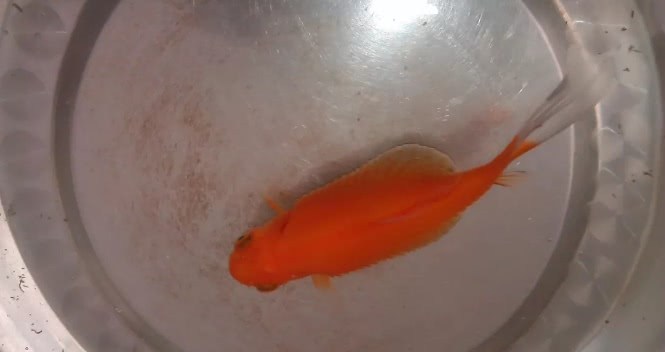
Some fish keepers have reported that their beloved arowana has had a poor appetite lately and its belly is badly swollen. What is going on? Is it just overfed or is it dropsy? It is hard to tell them apart! Today we will teach you how to distinguish between these two different conditions.
Dropsy symptoms
A sick fish's belly will swell, with the whole belly expanding to the left and right sides. (It refuses food and its appetite worsens.)
The state of illness can also be judged at least partly from its mental state
Symptoms of overeating
When a fish eats too much, the swelling is in the lower part of the belly and does not spread to the sides. (Stop feeding and the belly gets smaller.)
Factors that cause dropsy
The most credible explanation for what triggers this disease is flagellates (a type of single-celled protozoan). These flagellates are normally present in the body, and when the fish's immune system is healthy, they cannot harm it. But when the fish is under long-term stress or a stressful environment, it loses or has a reduced ability to fight off attacks by these flagellates, and this makes dropsy very likely to occur.
Symptoms
In the first stage, appetite decreases, the fish loses vitality and often hides somewhere in the tank.
In the second stage, the fish looks as if it is "coughing," as though it is trying to spit something out of its mouth.
In the third stage, it passes clearly visible white feces, which hang from the anus for a long time.
In the fourth stage, the fish's belly swells and then it dies (usually the fish dies before the belly becomes obviously swollen).
This disease may infect other fish, but it spreads very slowly. Generally speaking, no more than one or two fish will be sick at the same time.
Treatment methods
If proper treatment is given in the first stage, dropsy is very easy to cure. But if it reaches the fourth stage, then it can be said that there is no way to save it!
The more effective components for treating dropsy are metronidazole, medifoxamine and similar ingredients. You can buy metronidazole and furazolidone at a pharmacy, adding 4-6 tablets of each per 100 liters of water, and give a medicated bath for 3 days in a separate tank. If it does not improve, then change 1/3 of the water every day and add another 1/3 of the medication until it is cured. In addition, when immune system function declines, concurrent infection with other bacterial diseases is also very common; so when a fish develops dropsy and is infected with other diseases, it is necessary to combine this with antibacterial medication (antibiotics) for treatment.
Today's content is very brief, and I hope it can help everyone. If there are any shortcomings, I hope the more experienced keepers will offer their guidance. Thank you!