Clever Tips to Make Hydrangeas Bloom Like Pom-Poms
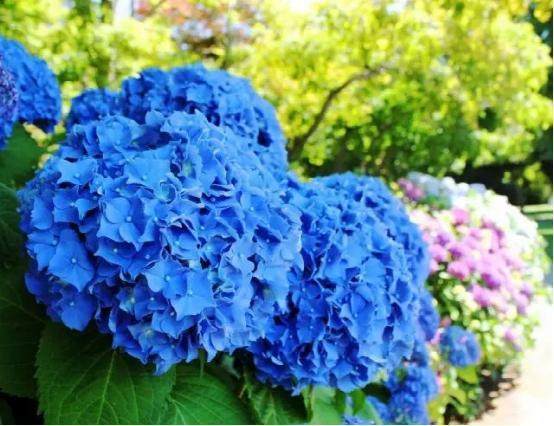
Hydrangeas are named for their blooms that resemble pom-poms, and their dense clusters of flowers also give a sense of good fortune and festivity, so they are commonly planted in large drifts in parks and gardens. Hydrangeas have not only ornamental value but also medicinal value; the whole plant can be used medicinally, often to treat pneumonia and other diseases, with effects of reducing swelling and relieving pain, and clearing heat and resolving phlegm.
Hydrangeas prefer acidic conditions, so the soil can be humus-rich soil (sold at flower and bird markets), and mixing in a small portion of river sand is even better. Interestingly, the color of hydrangea flowers can change with the pH of the soil; for example, if the soil is on the acidic side, the flowers tend to be more blue or cyan, while if the soil is on the alkaline side, the flowers tend to be in the red range.
So fellow gardeners can judge changes in soil pH just by the color! Because nutrient uptake also varies, sometimes even flowers in the same pot show a layered difference in color! Generally speaking, acidic soil is more favorable for hydrangea growth, while soil that stays alkaline for a long time easily causes leaves to turn yellow. If you want to increase soil acidity, you can add ferrous sulfate; if you want to increase soil alkalinity, you can add lime.
Hydrangeas like fertilizer. If you want blooms on every plant, apply fertilizer about once every half a month during the growing season; a thin cake fertilizer can be used. When fertilizing, it is best to avoid the hottest part of the day and preferably fertilize at night after it has cooled down, to avoid burning the plant roots. Stop fertilizing in winter.
Keep soil moisture at a slightly dry level; do not water too much, just keep the soil moist. Damp conditions will cause leaves to rot, and waterlogging also easily causes root rot. The flowering period of hydrangeas is concentrated in summer (June-August), so in spring and summer you should maintain the water needed for growth (but not waterlogged), while in autumn and winter growth is slow, so reduce watering. Hydrangeas prefer shade and fear sun exposure, so it is best to place them indoors or on a balcony in a shaded spot; direct sunlight will cause leaf damage and also easily fade the flowers. The lower the light, the more easily the flowers turn blue.
Finally, a reminder to all flower lovers: although hydrangeas have medicinal value, they cannot be eaten directly. Accidental ingestion of hydrangeas will cause symptoms such as vomiting and diarrhea, and families with children need to be especially careful!