How should bronchial asthma patients manage their living environment
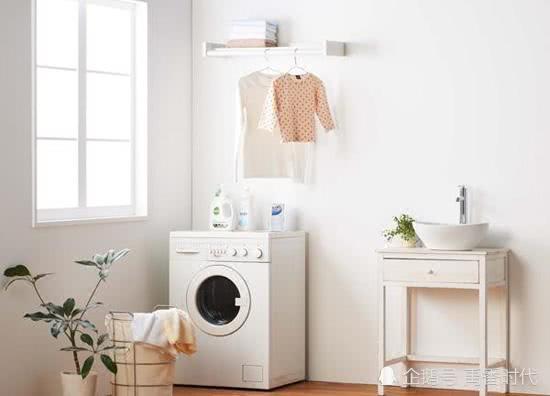
Bronchial asthma is closely related to allergies, so the amount of allergens in the living and working environment directly affects the severity, recurrence frequency, and duration of bronchial asthma. Thus, the living environment and conditions become the direct determining factor for the presence of allergens. Dust is easy for people to perceive and manage, while dust mites are less understood and less valued by people, often forming a major factor that is difficult to eliminate.
Indoor dryness
Dust mites are the chief culprit behind the onset of bronchial asthma, yet they are actually easy to manage. Through temperature and humidity design, cleaning, and the purchase of dust mite-resistant bedding, curtains, and other items, and through comprehensive active management in all aspects, dust mites will largely disappear. For example, in terms of humidity, the most suitable humidity for dust mites is 70-80%; when indoor and outdoor humidity drops below 50%, dust mites lose their ability to breed. Frequently drying clothing, bedding, and other items in the sun can kill large numbers of dust mites.
However, the hosts on which dust mites live are quite extensive, from walls and vegetation far away to human skin up close; wherever conditions permit, they can become a uniquely favorable habitat for dust mites. Moreover, human skin flakes are the food of a certain type of dust mite, while dry skin is not suitable for dust mite survival, so dry powder and similar products can be applied regularly to destroy the dust mites' living environment.
Vacuum cleaner cleaning
Keep indoor furnishings simple, clean with a vacuum cleaner and a damp cloth, frequently open doors and windows for ventilation, do not lay carpets, do not keep pets, do not smoke, do not keep flowers or birds, do not use fur and silk fabrics for bedding, clothing should not be too tight and should be washed and changed frequently, cotton fabric is best for clothing, avoid wearing chemical fibers or dark-colored clothes, do not choose medium-length fiber woolens, and so on. These points deserve special attention from those who already have bronchial asthma or who have a family history among household members.
If you have questions or need help, you can call 01062170649 13269852331