How to grow potted mint? A plant that repels mosquitoes with no side effects, suitable for bedrooms and offices
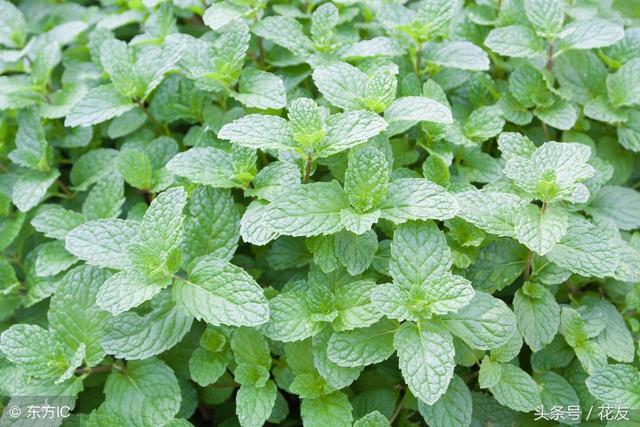
Mint is easy to grow and makes a refreshing, cooling tea that is perfect for drinking in the hot summer. Mint also contains mentha oil and menthol, which are volatile and have a repellent effect on mosquitoes. Below, a flower enthusiast introduces the techniques for growing potted mint on a home balcony.
Flower enthusiast: Hydroponic mint tutorial (with pictures), mint can fill a pot and even be stir-fried as a dish
Mint, also known as field mint, is a perennial herbaceous plant. Its stems and leaves are used as medicine and have effects such as dispelling wind, reducing heat, detoxifying and promoting rash eruption. Mint likes a sunny, warm and humid environment, with a frost-free period preferably of more than 200 days. It is not strict about soil and can be grown in any soil except heavily alkaline land, heavy clay land and sandy land. Sunlight plays an important role in increasing the content of menthol and mentha oil.
Mint tea and mosquito repellence have obvious effects
There are many varieties of mint, but no matter which one it is, their common characteristics are strong adaptability, cold tolerance and ease of growing, making them very suitable for beginners to cultivate. Mint grows extremely fast and can be harvested and eaten at any time; making tea or adding it to dishes are both good choices. To borrow a saying from herb researcher You Cixiong, never be afraid to pick herbs. Some herbaceous herb plants grow more luxuriantly the more they are picked, and mint is one of them.
Mint can also be grown hydroponically
I. Key points for growing potted mint at home
1. Growing mint in pots at home is also extremely simple. From March to April, you can dig up thick, white rhizomes, cut them into root sections about 8 cm long, and bury them in the potting soil; new plants will grow in about 20 days. You can also take tender stem tips in May to June and root them as cuttings under shade.
2. Mint is a perennial plant with a well-developed root system. When repotting and changing the soil each spring, a large number of plants can be separated out. Normally keep the potting soil on the moist side, and fertilize mainly with nitrogen fertilizer, supplemented by phosphorus and potassium, applying light fertilizer frequently.
3. Mint likes bright light, but not direct sunlight, and at the same time needs abundant moisture. Therefore, it is best to water before the soil is completely dry.
II. How to grow mint in pots at home
1. Flower pot
There must be drainage holes at the bottom to prevent too much water from staying in the soil and causing root rot.
2. Soil
Fertile, loose soil is most suitable (the flower and bird market has all kinds of pre-mixed soil, which is very suitable for beginners like us).
3. Planting
Put a few small stones at the bottom of the flower pot, pour in part of the soil, press it firm, then place the rooted mint seedling into the soil, and gently sprinkle the remaining soil into the pot with your hand. Never press it again with your hand, because it is easy to break the fragile roots.
Mint: Can mint be exposed to sunlight during repotting?
4. Watering
Mint needs a lot of water, which may be related to the leaves and branches needing to release fragrance. So it can be watered every day, watering thoroughly. But the water that flows into the saucer at the bottom must be poured out, otherwise root rot is likely.
5. Light
Mint likes sunlight. If it does not see sunlight for a long time, the fragrance becomes weaker and the branches and seedlings become thinner. However, newly planted seedlings must not be exposed to too much sunlight; just place them in a place with good light.
Potted mint
6. Pruning
Mint grows very fast. Parts that grow crooked or the top can be pruned, but not excessively.
7. Repotting
Mint has a very strong reproductive capacity. It is estimated that after a few months the roots will fill the flower pot, and repotting is needed to provide nutrients. Stop watering 1-2 days before repotting. After the soil is slightly dry, tap the flower pot gently with your hand, knock it out together with the soil and roots, and then move it into a slightly larger pot.
Friends interested in growing flowers can follow the official account: Flower Enthusiast. Every day there are wonderful articles on growing and appreciating flowers to share with you, and fellow flower lovers to enjoy the sea of flowers with you. Submission email: [email protected].