What should be noted when growing gardenias indoors?
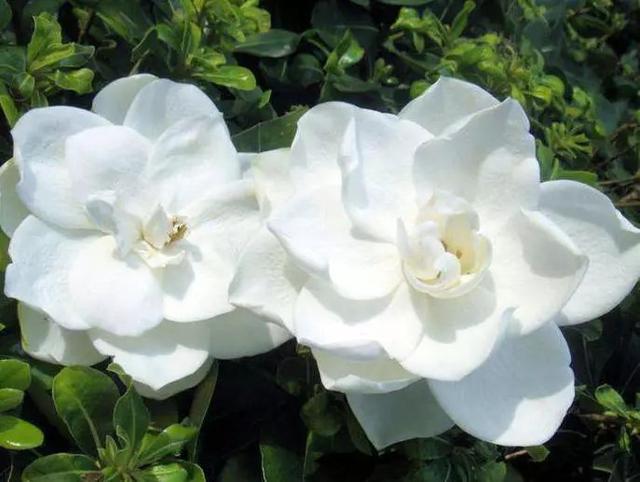
Gardenia (Gardenia jasminoides), with lush branches and leaves, pure white flowers, and a fragrance that fills the air and delights the senses. Its attractive tree form makes it widely loved, and it blooms at the turn of spring and summer. Many friends like to buy a pot of blooming gardenia to enjoy indoors.
The problem that follows is that gardenia is not originally an indoor flower. Short-term indoor enjoyment is fine, but over time, problems multiply, and some plants even suffer diseases before the gardenia flowering period ends. So, what should be noted when growing gardenias indoors? Baihua Zatan hopes to exchange views with everyone.
Point one: How to choose a potted gardenia. First, online shopping is not recommended. Gardenias bought online do not easily survive, and do not buy gardenias that are not potted plants. Many gardenia plants that appear to have original soil have actually been rewrapped by hand with clay later, which is not conducive to survival after planting. Therefore, it is best to buy an original potted plant. Judging whether it is an original potted plant is very simple: if you find new roots growing out of the drainage hole at the bottom of the pot, it is undoubtedly an original potted plant.
For indoor enjoyment, it is best to choose smaller varieties, such as Yue Gardenia. When selecting a gardenia, try to choose potted plants with emerald-green leaves and many flower buds about to open.
Point two: How to avoid gardenia leaves turning yellow. When overwatered, young leaves become dull and lusterless, while old leaves are unaffected and turn yellow-green.
Remove the plant from the pot and place it in a ventilated, shady spot until the soil ball dries, then put it back in the pot. If there is a lack of water, the leaf tips or edges wither and dry out, old leaves turn yellow and fall from the bottom up, while new leaf growth remains relatively normal. In northern regions, insufficient air humidity can also cause leaves to wither and yellow. For indoor gardenia potted plants, it is best to place them in a large tray filled with water around the edges, and mist the leaves every morning to keep them moist.
One main cause of yellowing leaves in indoor cultivation ispoor ventilation,so indoors it needs ventilation, humidity, and bright light. Open windows frequently, and at night it is best to move it to the balcony. For potted gardenias, excessive fertiliser can also cause leaves to yellow, with symptoms showing as leaf veins losing green and turning yellow while the surrounding area remains green. If yellowing of gardenia leaves is caused by fertiliser damage, you can flush the roots with plenty of water and remove the plant from the pot to wash the roots.
Point three, pruning after the gardenia flowering period: For potted gardenias, prune promptly after the flowering period, with the aim of forcing out new shoots. When buds appear, carry out bud thinning, remove the weak and keep the strong, survival of the fittest. Remove all poorly developed, shrivelled buds. Weak branches should also be cut off entirely.
Gardenias are different from camellias; they have very strong sprouting ability, so do not worry that pruning will affect their growth.