The wild fruit does not drop after ripening, stays fresh on the tree for half a year, tastes bitter first and then sweet, and is widely recognized as the king of vitamin C
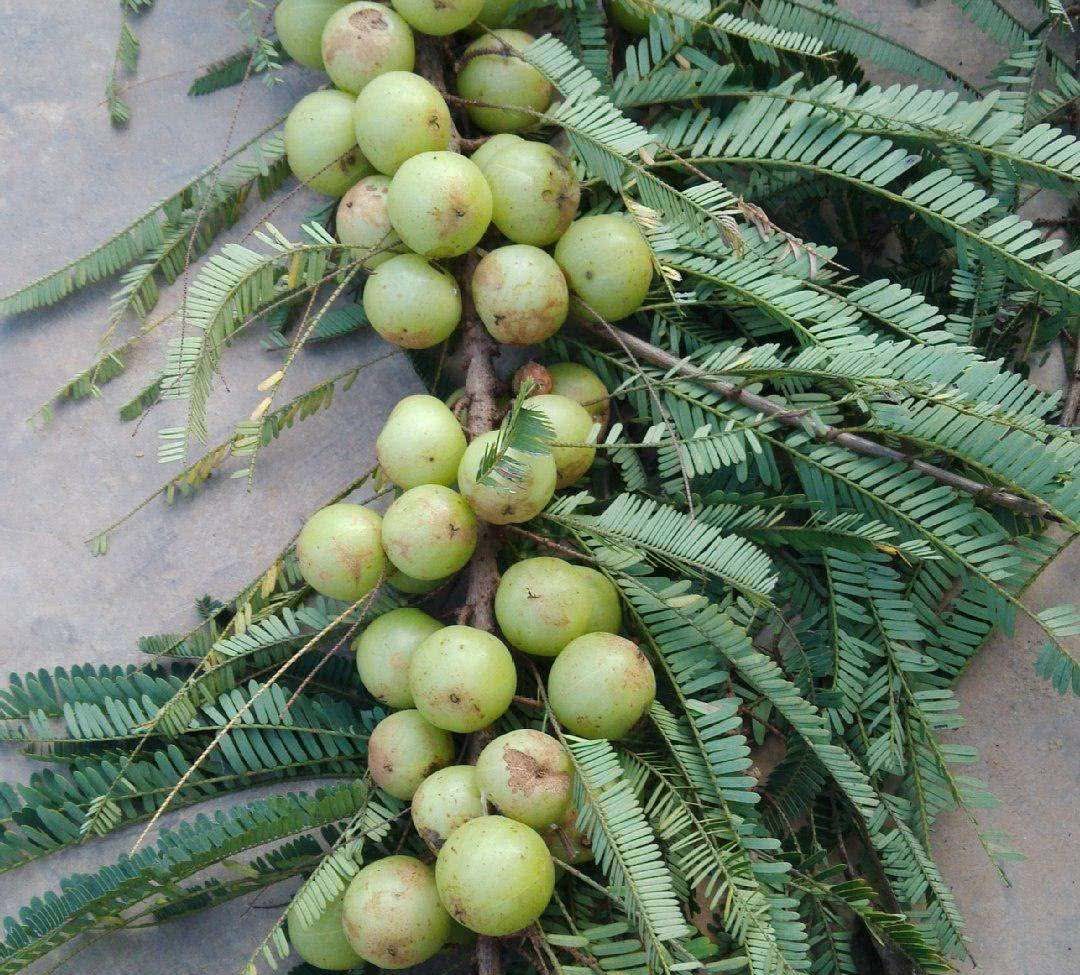
In the Minnan region of China, there is a folk rhyme: "After eating emblic leafflower fruit, the sweet aftertaste lingers; after eating it, the elderly become young again." The "emblic leafflower fruit" mentioned here is a local wild fruit. It tastes bitter when first put in the mouth, and outsiders cannot get used to it, but locally it is extremely popular. What is the reason for this?
Because this wild fruit is very special. It is indeed very bitter when first tasted, but after eating it, it can bring a sweet aftertaste, making people unable to stop. Moreover, this wild fruit has an extremely high vitamin C content, higher than fruits such as kiwi and lemon, and folk belief holds that this wild fruit is the king of vitamin C.
Emblic leafflower fruit is also called oil phyllanthus fruit and niugan fruit. Its appearance is translucent light yellow, and its yield is extremely high. A single branch can bear a large cluster of fruit. The niugan fruit ripens in August each year. What makes it different from other wild fruits is that after ripening, niugan fruit does not fall to the ground. It can remain on the tree until February of the following year, and the fruit does not wither, which is equivalent to keeping it fresh on the tree for half a year. Although the fruiting period of niugan fruit is long, it does not affect the yield of the next year, which is unique among wild fruits.
The vitamin C content of niugan fruit is extremely high. Per 100 grams of flesh, the vitamin C content can reach over a thousand milligrams, a hundred times that of apples. At the same time, niugan fruit also contains 12 kinds of vitamins, 18 kinds of amino acid components, and 16 kinds of trace elements, making its nutritional composition very rich. Although niugan fruit is bitter when first tasted, its aftertaste is endless. It is very popular in various parts of Southeast Asia, and people in India even revere it as the "sacred fruit."
It is said that when Emperor Zhengde of the Ming Dynasty traveled south of the Yangtze River, he tasted niugan fruit. At that time, the tree that bore the fruit was conferred the title "Emperor Gan." This tree is in Nantian, Hui'an, and has now become a protected ancient tree for people to visit.
Precisely because niugan fruit has high yield and high nutritional value, people have now developed it into a new type of fruit, and its taste has also been improved considerably compared with wild fruit. The flesh is thick and the fiber is low, and it can be deeply processed into products such as preserved fruit, fruit vinegar, fruit juice, fruit tea, and fruit wine, which are sold all over the world. At present, the main planting areas of niugan fruit are Fujian, Guangxi, Guizhou, Yunnan, Hainan and other places, and it has become a fruit of prosperity for people based on "bitter first, sweet later."
In addition, niugan fruit has certain medicinal value. Folk belief holds that eating it often can moisten the lungs, benefit the throat, and relieve cough and dissolve phlegm. Dear readers, have you ever eaten niugan fruit?