A boutonniere is a small, touching joy at a wedding
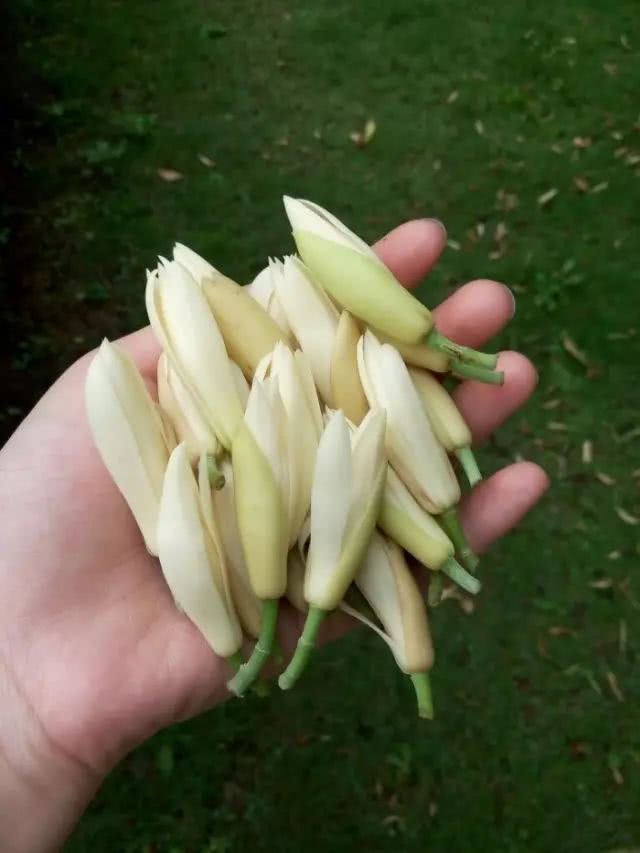
A boutonniere is a small floral ornament pinned to the chest or the lapel of a suit. Traditional Chinese boutonnieres are mostly made from fragrant flowers such as white magnolia and jasmine, strung together with thin wire and pinned to a woman's chest. I wonder whether the post-90s and post-2000s girls of today have ever seen one. If not, take the picture and ask an older person (that instantly gives away your age)
)
In Western countries, however, a chest floral ornament mainly makes the clothing more gorgeous. In some countries the custom is that when a man goes on a date, he must, two hours before the date, give a small bouquet to the lady and let her pin it to her clothing during the date. Therefore, boutonnieres are mostly made from beautiful yet natural flower materials. Since a boutonniere cannot be immersed in water, relatively long-lasting leaves must be chosen. In addition, pinning flowers with soft stems in place with a pin can also achieve a lasting, non-wilting effect.
Boutonnieres can be divided into four basic forms: round, triangular, crescent and square. They can also be made to match the season, using small flowers or flowering branches from the garden to create a simple, natural style, or using dried flowers, pressed flowers and the like to make a boutonniere.
The position of the chest floral ornament is usually pinned at the edge of the left lapel or around the left shoulder. Worn in such a position, it can show a youthful, pretty air. If it is pinned a bit lower, it can show a sense of reliability and stability. Once you return from the date, you can take off the boutonniere and keep it in clean water to let it return to its original state. If the flower has many stems and branches, you can spray it with water, put it into a sealed plastic bag, and then place it in the refrigerator; after such treatment, it can still be taken out and used again the next day.
At a formal wedding, the couple, the bridesmaids and groomsmen, and the parents of both the bride and groom all need to wear boutonnieres, while the officiant, the guests and the wedding witness are also entitled to wear them. Traditionally, the groom gives the bouquet to the bride, and then the bride plucks one flower from the bouquet and pins it to the groom's chest. The groom's boutonniere is usually the main flower in the bride's bouquet. As for the guests' boutonnieres, the principle is to keep them simple and small. Remember, the boutonniere and the pocket square from the wedding dress shop are both embellishments and should have the effect of adding the finishing touch; they must not overshadow the host and become the visual focus. One flower plus some matching small flowers such as baby's breath is enough. Never let the boutonniere turn into a bouquet, and the stem of the boutonniere must not be too long. Boutonnieres were originally all pinned to the left lapel of a suit jacket; some refined suits have a buttonhole in that position, designed specifically for holding a boutonniere. But nowadays things are much more casual, and pinning the boutonniere to the right lapel is not considered impolite either. If there is no ready-made buttonhole to hold it, place the boutonniere on the suit lapel with the stem pointing straight down and pin it in place aligned with the position of the shoes.