Five potted plants suitable for the bedroom that help improve sleep quality
Some plants not only purify the air and look beautiful, but some can also help you sleep better and are a great help for relieving stress. The 5 plants introduced below are especially suitable for growing in the bedroom, and they help improve sleep quality to a certain extent.
In fact, besides lavender and rosemary, there are many other plants that can improve your mood and reduce anxiety. Moreover, the flowers below are not as difficult to grow as lavender. Placing one or two pots at home can improve sleep quality.
1. Gardenia
Gardenia is very suitable for growing on a windowsill or balcony with plenty of light. Gardenia can improve sleep quality and has a certain calming effect on the nerves, and it is helpful for improving people's sleep quality. Grown on a windowsill, it not only gives you beautiful, fresh white flowers to enjoy, but also adds a fresh atmosphere to the room. The petals are even edible and taste very refreshing.
To care for gardenia, give it loose, airy, well-drained, slightly acidic soil. You can add some decomposed organic fertilizer at the bottom of the pot as a base fertilizer. During the care period, water regularly, watering thoroughly once the potting soil dries out, and give it a ferrous sulfate solution once every two to three weeks. The growing position should ideally receive more than six hours of light per day.
2. Jasmine
Jasmine is a relatively easy ornamental plant to cultivate. The flowers of jasmine help reduce anxiety and can help improve sleep. Its flowers give off a captivating fresh fragrance, yet it is not pungent at all, giving people a very soothing feeling.
To grow jasmine, maintain a warm and humid environment year-round. During the growing season, water regularly to avoid the soil becoming too dry, and even keep it appropriately moist. The growing position needs plenty of scattered light every day.
3. Gerbera
Caring for the brightly colored gerbera is a good choice, though it needs a bit more light. It is best grown on a south-facing windowsill, so it can purify the air well and also produce bright flowers. It brings people a captivating fresh fragrance, and it can also absorb harmful substances indoors, helping to improve sleep.
To care for gerbera, be sure to use loose, well-drained, slightly acidic soil rich in humus. The growing environment should be well ventilated and warm year-round, with a minimum care temperature kept above seven degrees, and give it appropriate light every day.
4. Aloe
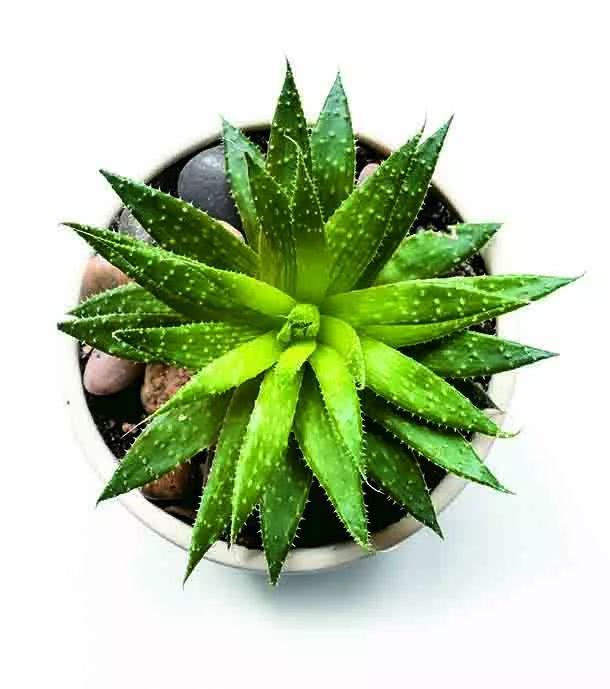
Aloe is a very popular indoor potted plant. Aloe can not only improve air quality but also purify indoor air well, absorbing harmful toxins from the indoor air. If the concentration of harmful gases indoors is too high, aloe leaves will develop reddish-brown spots.
To care for aloe, be sure to use loose, well-drained sandy soil, avoid frequent watering, and water thoroughly once the potting soil dries out. The growing position should be well ventilated with appropriate light, and the minimum care temperature should be kept above seven degrees.
5. Peace lily
Peace lily is very good at purifying indoor air quality and can filter harmful toxins from the air well, such as the common benzene, formaldehyde, trichloroethylene and xylene, etc. It can absorb harmful toxins emitted indoors, helping people sleep better.
Caring for the peace lily is also very simple. It has a certain tolerance to drought and shade, and adapts very well to the environment. During cultivation, it does not need frequent watering; water thoroughly after the potting soil dries out. The growing position should stay warm and humid year-round, and it will grow better with appropriate scattered light.