Add 1 bit of this to the pot and it is the best pest repellent. Chives grow one harvest after another, and melons and fruits taste more fragrant.
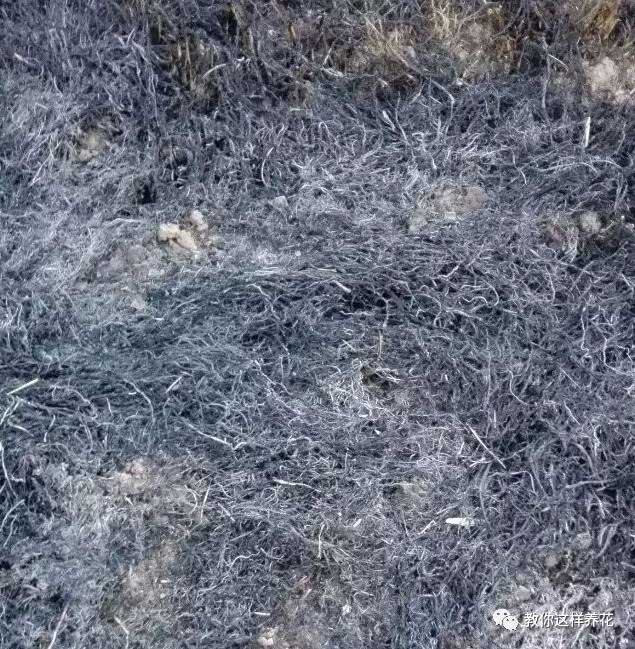
Growing vegetables on the balcony brings all kinds of pests that make people miserable, and many flower growers are troubled by pest problems! In fact, plant ash, which is widely used in rural areas, has been overlooked by everyone. Today let us take a look at plant ash. It can serve as fertilizer and also kill and prevent pests. Use a little in the pot, and chives grow one harvest after another, and melons and fruits taste more fragrant!
“
Growing vegetables with plant ash
-Plant ash-
Plant ash is the ash left after all kinds of firewood and grass are burned. It has a very high potassium fertilizer content and also contains phosphorus, calcium, iron and other components. Potassium is a necessary element for nitrogen metabolism and the synthesis and transport of sugars in plants. It can make plants grow robustly, increase pest and disease resistance, and also increase cold resistance. Potassium deficiency will make plants short, with thin and slender stems.
Plant ash can be applied when plants are at the seedling stage or sprouting new shoots, making the roots and stems robust and the branches plump and upright. For many vegetables with tubers and root tubers, plant ash can make them more attractive in color, larger in size, faster to mature, and improve their resistance to rotting, so it is very commonly used in vegetable cultivation.
-Plant ash as seed-covering fertilizer-
On the soil where seeds are sown, apply a thin layer of plant ash 0.5-1 cm thick. This can promote seed germination, make seedlings emerge evenly, and grow more robustly. It can also raise soil temperature and reduce the phenomenon of seedling rot at low temperatures. However, the amount of plant ash must not be large, and a thin layer of soil must be covered over the seed surface. Plant ash must not be allowed to directly contact the seeds, to prevent burning the seedlings.
-Plant ash as base fertilizer-
When repotting, you can add some plant ash to the flower pot as base fertilizer, or mix 5-20% plant ash into the potting soil. This can promote root growth and reduce the occurrence of pests and diseases.
-Plant ash as topdressing-
Usually you can also apply some plant ash to the potting soil, or pour out the leachate after adding water to plant ash and use it to water flowers and vegetables. It is a very good quick-acting potassium fertilizer, can improve plant disease resistance, and can be used as a foliar fertilizer.
-Plant ash for disinfection-
When planting ginger and potatoes, they need to be cut into small pieces for planting, and plant ash can be used for disinfection. Sometimes when plants develop root rot, or when dividing plants or taking cuttings requires cutting a wound surface, you can smear some plant ash for disinfection, which can also speed up wound healing.
-Plant ash for pest control-
Add plant ash to 5 times its amount of water, soak overnight, take the supernatant and spray it on the leaves of diseased leaves affected by aphids, cabbage caterpillars, and red spider mites. It can play a role in killing pests, and adding a little laundry detergent makes the effect better. In addition, if fresh plant ash is spread as topdressing on vegetables and other crops, it can also play a preventive and control role.
-Precautions for use-
Plant ash should be used alone. Do not mix it with organic farmyard manure, and do not mix it with ammonium nitrogen fertilizer, as this will cause loss of nitrogen through volatilization. Flowering plants with enlarging roots or edible tuberous roots and bulbs, or fruit trees with large yields, have a high demand for potassium fertilizer and can use more. Among vegetables, potatoes, sweet potatoes, rapeseed, sugar beets and others can all use it.
Plant ash is alkaline and is not suitable for application in saline-alkaline soil. It is suitable for application in acidic soil and can improve overly acidic soil. It can be used for some flowers that prefer alkaline conditions, such as oleander, tulip, Dianthus, elm-leaved spirea, cactus and other flowers. It is not suitable for flowers that prefer acidic conditions, such as camellia, azalea, jasmine, gardenia, banana shrub and other flowers.
-Add some plant ash after cutting chives-
Chives grow quickly and have a high fertilizer demand. Fertilizer must be added continuously so that chives can grow harvest after harvest. Usually you can also add some plant ash, and chives will grow faster.
After cutting chives, you can sprinkle some plant ash in the pot. Not only are chives less likely to get sick, they will immediately recover and grow vigorously. Moreover, plant ash can also prevent and control chive root maggots, and has a good preventive and control effect on grubs that harm potatoes.
-Use of plant ash fertilizer-
The use of plant ash for growing vegetables has gone through a lot of practice, and the effect is indeed very good. Fellow flower growers can also try it more yourselves.
Add plant ash to 10 times its amount of water, soak overnight, pour the supernatant into a spray bottle, and supplement potassium on the surface of vegetables in pots. Flowers will bloom more brilliantly, and melons and fruits will bear more.
Sprinkle a little on the surface of the soil, and it can also sterilize and repel insects, reducing pests and diseases.
(Balcony Vegetable Growing Forum hanxiaohao007)
-Homemade plant ash fertilizer-
Plant ash is abundant in rural areas, but some flower growers in the city have a hard time finding it. If there are abundant resources such as wood and branches nearby, you can make it yourself. Find some dry branches, put them into an iron bucket and burn them. After burning, it becomes very good plant ash.
After mixing it into garden soil, it can be used directly to grow vegetables. The fertility is very high, and you can harvest a big pile of vegetables, which also taste very good.
(Sina Blog My Rooftop Natural Farming Method)
So plant ash has so many uses.
It is very useful for growing flowers and vegetables!
Show it to flower growers and vegetable growers who need it!