Going out for 15 days and afraid your potted plants will dry out and die? Do this so they have water to drink every day
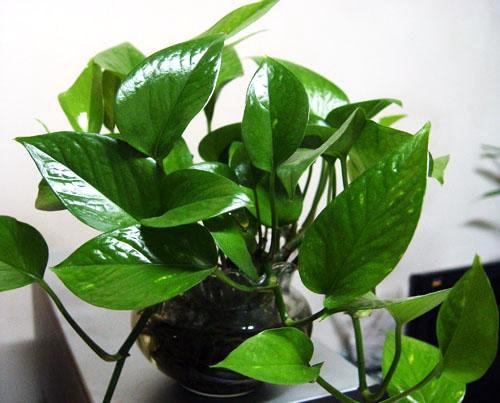
Many people love growing flowers, but it's always unavoidable to occasionally go out for a few days, or even ten days to half a month, so what about the flowers? No matter what kind of flowering potted plant it is, going ten days to half a month without watering will leave it thirsty to death, and handing it over to a friend to care for is not convenient either. Better to do this instead, it's more reliable!
Sharing 3 little tricks so that when you go out for half a month, your potted plants have water to drink every day and the flowers won't die of thirst!
The first: the wicking method
This method is simple and effective, and the materials are easy to find. Take an unused small towel or a strip of cloth with good absorbency at home, soak one end in a basin of water and put the other end in the flower soil. The water absorbed by the towel will slowly be delivered into the soil, continuously supplying moisture.
The towel's absorbency must be good, and during this time you need to prevent the water in the basin from evaporating, because the temperature in the current season is still fairly high and evaporation is too fast. You can cover the basin with a plastic bag to reduce the evaporation rate.
The second: the immersion method
Take a large flower pot and put half a pot of river sand in it, soak it thoroughly with water so the river sand absorbs enough water, then place the potted plant you're growing on top of the river sand. This way the potting soil will absorb water through the gaps, and the potting soil won't dry out.
If you don't have a large flower pot at home, you can also use a plastic basin instead; if you don't have river sand, you can also put 2 to 3 cm of water in a plastic basin and set the flower pot in it, which can also continuously supply moisture.
The third: the drip irrigation method
The drip tube used for IV drips can come in handy here. Fill the bottle with water and adjust the drip rate properly so it drips evenly into the flower soil. This method is also very simple and practical.
With these three methods, when you go out for ten days to half a month, you don't need to worry about the plants dying of thirst, and they'll still be growing vigorously when you come back!
For example, pothos (Epipremnum aureum), asparagus fern (Asparagus setaceus), rubber tree (Ficus elastica), money tree (Pachira aquatica), Chinese rose (Rosa chinensis), and gardenia (Gardenia jasminoides) can all use this method
That's all for today's sharing!
These practical little tricks, have you learned them?
You're welcome to leave a comment and share more flower-growing experience