How exactly are bonsai masters cultivated?
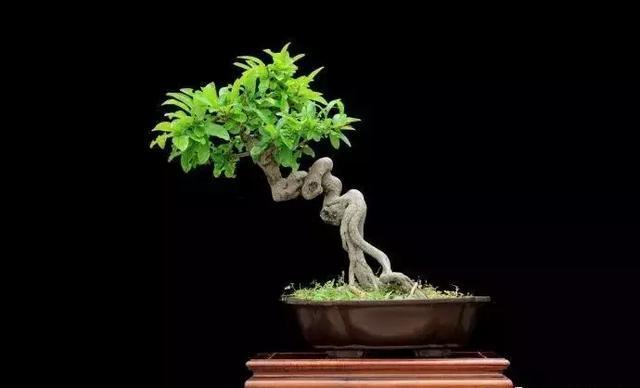
Where do bonsai masters come from?
When someone spoke about the awkward situation facing the transmission of bonsai heritage, they said, "In the current university teaching system, there is no dedicated bonsai major." This may be one aspect of it. For example, the development of the porcelain industry in Jingdezhen is inseparable from the cultivation of professional talent by local universities. But this is not absolute. Looking at it from a historical perspective, how many of the masters who shook the past and illuminated the present were trained by specialized institutions?
Like many traditional arts, bonsai is also mainly passed down through the "master-apprentice" model. Masters stand tall and see far, and should value the passing of the torch, not hesitate to teach, and teach according to aptitude. But "the master opens the door; the practice depends on the individual." To become a master, the key still depends on the apprentice themselves: whether they have the interest and confidence, and whether they can truly delve into it. If their aspirations lie elsewhere, or if they are eager for quick success, then they will have failed to live up to the favorable conditions created by all sides.
In prosperous times, bonsai is popular. Bonsai integrates horticulture, literature, and aesthetics into one. As Master Zhao Qingquan said, "In recent years, with economic development and the improvement of people's living standards, bonsai enthusiasts have been increasing day by day. Some bonsai collectors have emerged, and ordinary people also increasingly love bonsai." This industry is certainly full of promise and full of market potential. But the stage of the industry does not mean it is your stage. To roam far and wide in bonsai, you need to devote time and energy. If you have just entered this industry and already want to stand out; if you have just learned a couple of tricks and already want to gain great fame, then your path may twist and turn at every step.
As the saying goes, "accumulating over the years brings greater abundance." Bonsai is "polished" into being, and masters are also "polished" into being. On the one hand, one must have the realm of self-discipline, broadly absorbing the strengths of others and learning from what others excel at;
On the other hand, one must have the hard-earned discipline of wearing through the bench. One cannot expect to reach the mountaintop in a single step. "Only by enduring loneliness can one preserve prosperity." Only by sinking in and calming the mind, with the inclination to "willingly be a slave to flowers for years on end," can there be the beauty of "seeing jade-like flowers once again adorn the jeweled branches."
The time of "polishing" is also both an obstacle and a support in bonsai creation, bringing helplessness and waiting to the bonsai artist. The time of "polishing" also greatly benefits the bonsai artist. It tempers perseverance and willpower, and devotes the mind to artistic cultivation. It verifies fine works and classics, and displays the divine work of creation. This is true not only of bonsai, but of other arts as well.