How do you grow purple clover so it bursts into a full pot? A detailed guide to care techniques
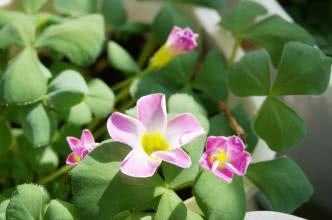
Purple clover is also known by another name, purple oxalis. The leaves of purple oxalis are purple in color, and when shone upon by sunlight, the purple leaves look extremely striking, and they can also add a beautiful sight to our homes.
Purple clover is pretty, sure, but if it is not a whole cluster of purple clover, it can seem rather monotonous, so this time, the editor will introduce to everyone the techniques for getting purple clover to fill out its pot.
1. Temperature control
Purple clover likes a warm environment, so during cultivation, purple clover should be kept in a warm environment, preferably above 15°C and below 25°C. In winter, be sure to keep it warm to prevent purple clover from entering dormancy below 0°C. In the hot summer, if the temperature is too high, the leaves of purple clover will curl up on their own; once you notice this, you must immediately mist the purple clover with water.
2. Light conditions
In spring or summer, purple clover is in its growing period, and at this time you must ensure good light for the clover. At this time you must take the clover out to get sunlight and avoid placing it in a dim environment, otherwise the clover's leaves will become dull.
3. Watering
When purple clover is in its growing period, remember to water the clover often to keep it in a moist state. When watering the clover, follow the principle of not watering as long as the surface of the potting soil is not dry, and once you water, you must water thoroughly.
In summer, if the temperature is too high and the clover is in its dormant period, then you do not need to water the clover much; just keep the leaf surface moist.
In winter, when the temperature is lower, for watering you do not need to keep it too moist; just keep the soil surface slightly dry, to avoid the clover's roots rotting.
4. Soil selection
Before cultivating clover, you certainly need to choose the right soil for it. Since clover is very afraid of root rot, when choosing soil, it is best to lean toward soil with good drainage, and it should also have a certain moisture-retaining ability.
5. Daily care
When caring for purple clover on ordinary days, once you find withered yellow leaves on the clover, remove them promptly to avoid attracting pests and diseases. Also, if the clover grows too vigorously, then at this time you should cut off some of the clover's leaves, and also move the clover to a ventilated environment; this can promote its growth.
When fertilizing purple clover, remember that the concentration must not be too high, to avoid harming the plant itself. Also, fertilize in a balanced way, not with a single nutrient; for example, applying nitrogen fertilizer alone will cause the leaves to turn green, affecting the viewing experience for flower lovers.
After completing the above steps, I believe all you flower lovers can grow purple clover that fills out its pot.