Why does my rose have so many black spots on its leaves? Beginner gardeners, don't panic
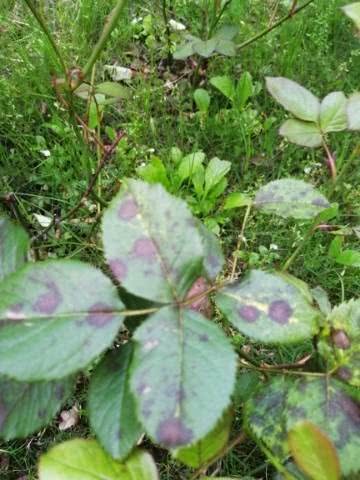
In late May, the weather gets hotter and hotter, and in some areas temperatures have reached above 30 degrees. Recently I've received many messages from gardening friends saying their roses have yellow leaves, and there are little black spots on the leaves too. Can your fertilizer cure this?
Actually I'm very happy that everyone can ask me about this problem, because it shows that gardening friends trust me, even though my liquid fertilizer can't cure rose black spot disease. Look at the picture above, this is a picture sent by a gardening friend yesterday. The leaves already have obvious black spots, and the whole leaf is quite seriously infected, so it must be treated as early as possible.
So what is black spot disease? Symptoms: This disease mainly occurs on the leaves. On initially affected leaves, black or dark brown radial spots appear on the surface, with indistinct edges. Later the spots gradually expand into circles or nearly circular shapes, with radiating bristle-like protrusions at the edges, 4-12 mm in diameter, surrounded by a yellow halo. The affected leaves or leaflets turn yellow and fall off easily. In severe cases, all the leaves fall off, leaving only the branches, the plant's growth declines, and finally the whole plant dies.
Black spot disease is a fungal disease, generally prone to occurring in rainy, high-temperature seasons, and is most serious in summer during April and May and in late summer during August and September. Because black spot is highly dependent on humidity, it easily occurs under high temperatures when humidity is above 85%, especially when there is a film of water on the leaves, such as after rain when the sun comes out, thus creating a high-temperature, high-humidity environment. If there is also poor ventilation, it is very easy for the disease to occur, so prevention of black spot disease is better than treatment.
How to prevent it? Choose varieties with strong disease resistance for planting. Usually the main thing is prevention. Before and after continuous rainy days, pay attention to applying fungicide for prevention. In addition, do not plant too densely, maintain a ventilated environment, promptly clean up old leaves, and do not water the leaves, all of which help prevent black spot disease.
When fertilizing roses normally, it is best to choose a good nutrient solution, strengthen cultivation management, and enhance the plant's growth vigor, which helps strengthen the rose's disease resistance. Huadongde's special organic nutrient solution for roses is rich in various organic matter and active factors, can greatly improve the internal structure of the soil, decompose harmful substances in the soil, clear the channels for plant nutrient transport, and promote plant photosynthesis.
If the rose is already diseased, promptly remove the diseased leaves and burn them to prevent spread. Wait until after autumn and thoroughly remove dead branches and diseased leaves, and after pruning the diseased branches, burn them in a centralized way, which can reduce the disease incidence the following year.