How to Grow Narcissus? Detailed Care Methods and Tips
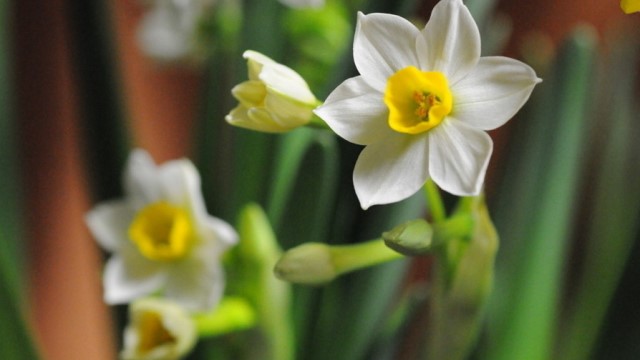
I. Growing Environment
1. Soil: Narcissus prefers loose, well-structured soil; a breathable, fertile sandy loam can be used.
2. Water: It has high water requirements. During its growing period, ensure ample water, but once it has matured, reduce water, because metabolism is relatively weak at this time; depending on the moisture level of the soil, watering may even be stopped.
3. Fertilization: During bud formation, nutrients are almost completely consumed, so moderate fertilization is needed during its growing period.
4. Light: Give it about 10 hours of light daily, especially during the growing period, when it needs ample light. In autumn and winter, it can be placed directly outdoors to receive light.
II. Propagation Methods
1. Seed propagation: Put the prepared soil into a seedbed, then place the seeds in the seedbed and cover with a layer of sandy soil, water and cover with white glass, then place it in a ventilated spot, spray water once every 2 days, uncover the white glass after the seeds germinate, give appropriate sun exposure, transplant into separate pots after the seedlings grow about 2 true leaves, and in autumn they can be taken out for transplanting in the open field.
2. Bulb division propagation: Dry the dug-up bulbs for about 2 days, then place them in a ventilated spot. For large-scale cultivation, this is generally done in open-field seedbeds, and seedlings will emerge in about one month.
III. Common Pests and Diseases
1. Basal rot: The bulbs develop brown rot, and even the entire bulb may become rotten. The bulbs can be soaked in carbendazim before planting.
2. Nematode disease: After the leaves and flower stems are affected, stripes appear, and the leaves also wither. They can be dipped in formaldehyde before planting to prevent this condition.