How to grow the Peace Lily tree? Here are the correct cultivation methods
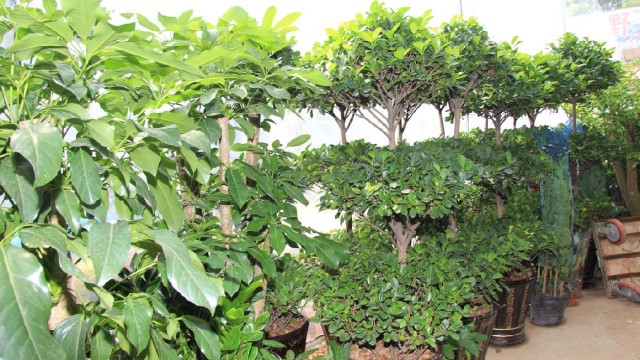
I. Growing environment
1. Soil: Use loose, well-draining, slightly acidic soil. Do not use heavy, sticky alkaline soil, otherwise it will cause poor growth.
2. Watering: Generally, water only after the soil becomes dry, but in dry weather the amount of watering should be increased appropriately. In summer or in dry seasons, it can be placed indoors and water can be sprayed indoors to increase the air humidity. There must never be standing water in the pot, otherwise it can easily lead to root rot.
3. Fertilizing: Apply a compound fertilizer once a month during the peak growing season, and after entering autumn apply a moderate amount of phosphorus fertilizer and potassium fertilizer 1-2 times. Note, however, that too much should not be applied, otherwise it will burn its roots and the leaves will turn yellow and fall off as well. No fertilizing is needed in winter when temperatures are low.
4. Temperature: The suitable temperature for the growth of the Peace Lily tree is 20-30°C. It is not cold-tolerant, and the minimum must not fall below 0°C. Once the temperature is too low, the leaves will wilt and it may even suffer frost damage. In winter, the temperature is best kept above 10°C.
II. Propagation methods
1. Cutting propagation: The suitable temperature for cuttings is 22-28°C. Cut healthy branches into 10-15 cm lengths, preferably leaving 2-3 leaves on each section, insert the branches 3-5 cm into the soil, then water thoroughly, cover with plastic film and place in a cool, shady spot.
2. Seed propagation: Place the selected seeds in a cool, shady environment, and sow them after the seeds crack open with a white opening. Generally, the method of dibbling in furrows is chosen. After sowing, cover with a layer of soil to keep it moist, and sprouts will appear in about one month.
III. Common pests
1. Aphids: They cause damage to young leaves and not only affect normal growth but also affect ornamental value. After aphids appear, you can sprinkle some plant ash, then wash it clean and spray with pesticide, which can effectively suppress the spread of the pests.
2. Scale insects: They generally appear on both sides of the leaves and will cause the leaves to turn yellow and even fall off. Once discovered, pesticide should be sprayed promptly to kill them. In severe cases, all other plants indoors should also be protected, and the diseased leaves should be removed completely.