What are the cultivation methods and precautions for geraniums?
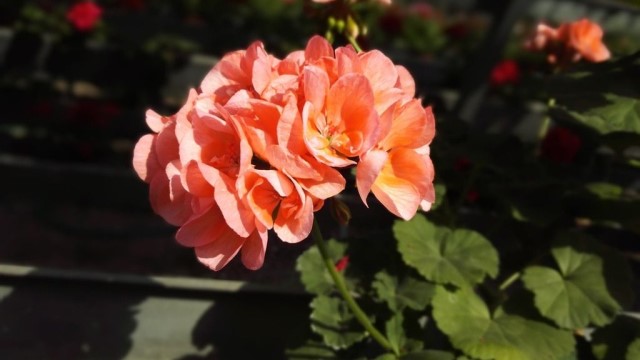
I. Growing Environment
1. Soil: Geraniums do not have high demands for soil, but they like sandy loam rich in humus best.
2. Watering: Water moderately. Spring and autumn are the peak growth periods, so sufficient water must be ensured, but there should be no waterlogging; when the weather is bad, it is best not to water; during the rainy season, do not water, and drainage measures should also be taken, and place it in a ventilated spot; in winter, water less, and if the temperature is high, you may water a moderate amount more.
3. Fertilizing: During the peak growth season, fertilize once every 10-15 days; in spring and autumn, apply liquid fertilizer once every 7-10 days; if the temperature is high in winter, you may fertilize moderately, while when the temperature is high in summer it enters a semi-dormant state, so it is best not to fertilize; apply nitrogen fertilizer before flower buds appear, and afterward mainly phosphorus and potassium fertilizer.
4. Light: Sufficient sunlight helps it grow better, but during the hot summer it should be shaded appropriately; in spring, autumn, and winter it can be placed directly in a spot exposed to sunlight; when light is insufficient, its flowering will be affected, and during flowering it should avoid exposure to strong light.
II. Propagation Methods
1. Propagation by sowing: After collecting the seeds, they can be sown. If you want to sow when the weather is cool, you can first dry and store the seeds well. At a temperature of 20°C, they will germinate in about 7-10 days.
2. Propagation by cuttings: Cutting is best done in spring and autumn. Choose healthy cuttings, then soak them in indolebutyric acid for about 5 seconds and let them dry. After they wilt, insert them for cuttings, water thoroughly, avoid exposure to strong light, and they will take root after 2-3 weeks.
III. Common Pests and Diseases
Common pests and diseases include mosaic disease, root rot, small plume moths, caterpillars, white ants, and so on. To prevent mosaic disease, it is very important to eliminate aphids, and also clear away nearby parasitic plants; small plume moths can be sprayed and killed with trichlorfon.