How to Grow a Rubber Plant? Detailed Growing Methods and Precautions
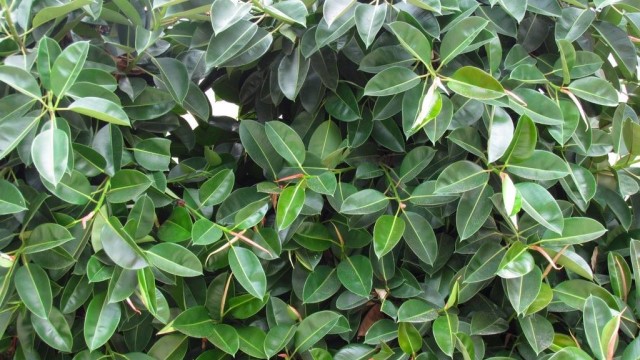
I. Growing Environment
1. Soil: The rubber plant likes loose, fertile sandy soil. You can use a potting mix made by blending leaf mold, garden soil and sand.
2. Watering: In spring and autumn, keep the soil moist. In summer, its water demand is very high, so water it every day, increase the amount of water appropriately, and frequently spray water on the leaves or around the plant to raise the air humidity. In winter, keep the soil slightly dry.
3. Fertilizing: Apply fertilizer in moderation, but use less nitrogen fertilizer. Too much nitrogen fertilizer will cause leggy growth of the stems and leaves. During the growing period, apply decomposed liquid fertilizer at intervals of 20 days. To control the height of formed plants, apply a mixed liquid fertilizer once every 2 months during the growing period.
4. Light: For the rubber plant to grow better, it needs plenty of sunlight. When grown indoors, place it in a spot with ample sunlight, and also make sure the air circulates properly.
II. Propagation Methods
Cutting propagation: Generally, take cuttings in spring and autumn. In summer, if watering is improper, the cuttings easily rot. Keep the middle section of the branch and leave 1 leaf. When taking cuttings, seal the upper and lower cuts of the branch to prevent the sap from flowing out and affecting the survival rate. Insert it into the soil and maintain a growing temperature of 20°C. It will roughly take root in a little over a month.
III. Common Diseases
1. Gray leaf spot: The rainy season is the peak period for the disease. After infection, gray spots appear and keep expanding, and the leaves also become dry and cracked and develop black granular material. During the disease period, spray with carbendazim.
2. Anthracnose: It harms the leaves, causing brown or white spots on them. In severe cases, the entire leaf turns withered and black. Remove diseased leaves promptly, and usually strengthen ventilation and light transmission.