A detailed guide to magnolia cultivation methods and precautions
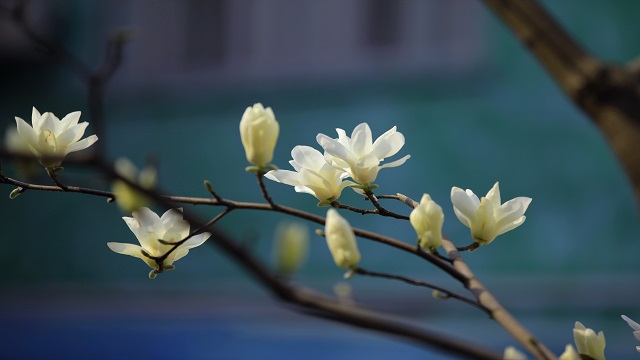
1. Cultivation environment
(1) Soil: Requires loose, fertile, well-draining, acidic soil. You can mix leaf mold, rice husk ash, and coarse sand in a ratio of 5:2:2. You can also add some barnyard manure to it.
(2) Watering: Water once the soil surface is observed to be dry. The plant has fleshy roots, so waterlogging must be avoided.
(3) Fertilizing: The plant likes phosphorus and potassium fertilizers. During the growing season, about once every three to five days. However, it is afraid of concentrated fertilizer, so pay attention to the concentration.
(4) Light: It is a sun-loving flower, so plenty of light must be provided. Especially during the growing season and flowering period, no less than six hours per day. Avoid midday sun in summer.
2. Pinching tips and removing leaves
The Spring Equinox or Qingming is a good time to move the plant from indoors to outdoors. After moving it outdoors, after an adaptation period of about two to three days, you can remove the old leaves and keep the young leaves to promote new shoot growth. In addition, after a round of flowering, the old leaves should also be removed to promote the growth of new branches and flowers. Also, during the growing season, pinch off the growing tips to promote the sprouting of side branches.
3. Pest and disease prevention and control
Diseases mainly include "root rot" and others. Once discovered, promptly cut off the diseased leaves, then spray the leaves with a 50 percent concentration carbendazim aqueous solution, or use a 70 percent thiophanate solution. Pests mainly include aphids, which harm the plant's tender buds and flower buds. Once discovered, you can spray with a 500-fold laundry detergent solution, then rinse with clean water. For scale insects, a vinegar solution can be used.