How to grow Anthurium? Detailed Guide to Care Methods and Precautions
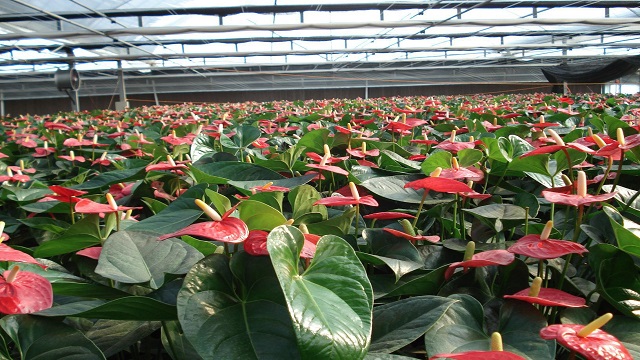
1. Growing Environment
(1) Temperature: It likes warmth, preferably between 19 and 25°C. In winter, do not let it go below 13°C; in summer, it also should not be too high, not exceeding 32°C.
(2) Watering: Water promptly. In spring and summer, about once every 1 to 2 days; in autumn and winter, according to the temperature and humidity of the ninth day, about once a week. In summer, also spray water to increase humidity.
(3) Soil: The main requirement is that it be loose and breathable. Specifically, leaf mold, pond mud, river sand, and plant ash can be mixed together. Some base fertilizer can also be added into it.
(4) Light: It has a need for it, but not much. It can be placed in a spot with indirect light. When the light is strong, the shade level should be about 70 percent. In winter, place it in a spot where it can receive sunlight.
(5) Fertilizing: During the growing period, about once every 5 to 10 days. The time should be in the morning or evening.
2. Preventing and Controlling Pests and Diseases
Diseases include "anthracnose," "root rot," and others. After discovering them, promptly cut off all affected leaves and branches, and it is best to burn them. Then, pesticides such as chlorothalonil can be sprayed. Pests are also relatively common, such as snails, aphids, and others. Snails are generally not numerous and can be caught by hand; when aphids are numerous, pesticide can be sprayed. Whether diseases or pests, they can be prevented and controlled before they occur, by spraying a fungicide once a month.
3. Repotting
After the plant has grown for a period of time, the original pot can no longer meet its requirements, and there are not many nutrients left in the soil, so it needs to be repotted. After replacing it with a new pot and soil, water thoroughly. After one week, resume normal watering. Within one month, do not fertilize.