How to Grow Lotus? Detailed Guide to Cultivation Methods and Precautions
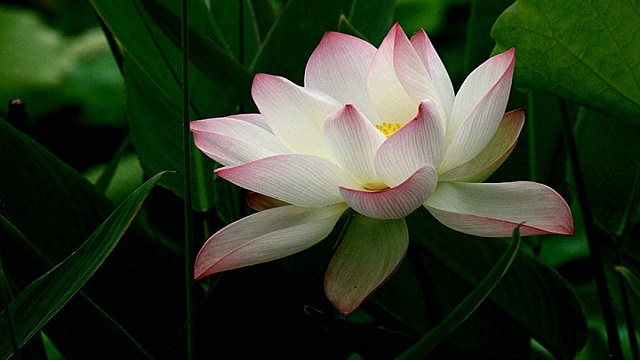
1. Growing Environment
(1) Water quality: Water quality has a big impact on plant growth, and water with too high an iron content cannot be used. River water, lake water, well water, etc. can be chosen.
(2) Light: It is very light-loving and needs a full-sun environment, especially during the growth period.
(3) Temperature: During the growth period, it is best at 22 to 32 degrees. It is not very tolerant of low temperatures, so attention is needed in winter.
(4) Soil: The main requirement is soil rich in humus; it must be fertile soil.
(5) Ventilation: The plant likes an environment with good air circulation, and plants grown outdoors like a gentle breeze.
2. Container and Water Depth
First, a suitable container can be chosen according to the specific size of the plant. Another requirement is that it be water-retaining and durable. The depth of the water added must also be noted. When first planted, the depth should not be too great; 3 to 5 cm is fine. As the plant gradually grows, the water depth can be controlled at about 10 cm. In autumn and winter, when the plant is about to enter dormancy, there is no need to add water frequently.
3. Propagation Methods
(1) Seed propagation: Break the seed coat by rubbing, then soak the seeds to raise seedlings. Ensure good water quality and change the water frequently. The temperature should be around 15 degrees. Sprouts can grow in about a week. Roots can form after two weeks, and at this point they can be transplanted. Note that the water must not be too deep, and do not submerge the leaves in the water.
(2) Underground stem propagation: Prepare 10 cm of mud, and bury the rhizome in it. After that, place it in sunlight, then add a small amount of water. Once the sprouts grow out, water can be added, about 3 to 5 cm.