How to grow plum blossoms? Learn the correct plum blossom care methods
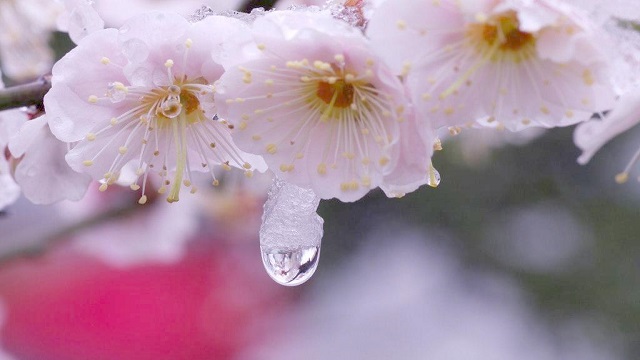
1. Growing environment
(1) Soil: The main requirement is loose, fertile, well-draining soil.
(2) Watering: During the growing period, keep the soil moist. In summer, water twice a day. In spring and autumn, about once a day. In winter, follow the principle of watering thoroughly only after the soil has dried out. No matter the season, never let water accumulate.
(3) Light: Plenty of sunlight must be provided, otherwise the plant will become weak and spindly and produce few flowers.
(4) Temperature: Warmth is best, around 15 to 20 degrees. Low temperatures will delay its flowering.
(5) Fertilizing: When planting, mix base fertilizer into the soil. Use monopotassium phosphate once before flowering, and cake fertilizer once when the flowers appear. During the normal growing period, compound fertilizer, organic fertilizer, etc. can be used.
2. Pruning
Right after potting, prune once. Especially when making a bonsai, the foundation must be laid at this time. Usually, observe the plant's condition to judge whether pruning is needed. Cut off all crossing, upright, dried, and overly dense branches, and shorten the side branches. This not only makes its shape look better but also makes it grow lush and full of branches and leaves.
3. Propagation methods
(1) Propagation by sowing: After the fruit ripens in September, pick it, peel off the skin, and wash it clean. Prepare a suitable growing medium, and by the end of September it can be sown.
(2) Propagation by grafting: Mainly divided into two types, branch grafting and bud grafting. The rootstock used for grafting can be peach trees, plum trees, etc., but it is best to graft other varieties onto a plum blossom tree, as this gives a high propagation success rate and good growth.