What should you do if hydroponic plants develop root rot? Add some charcoal and the roots will keep sprouting
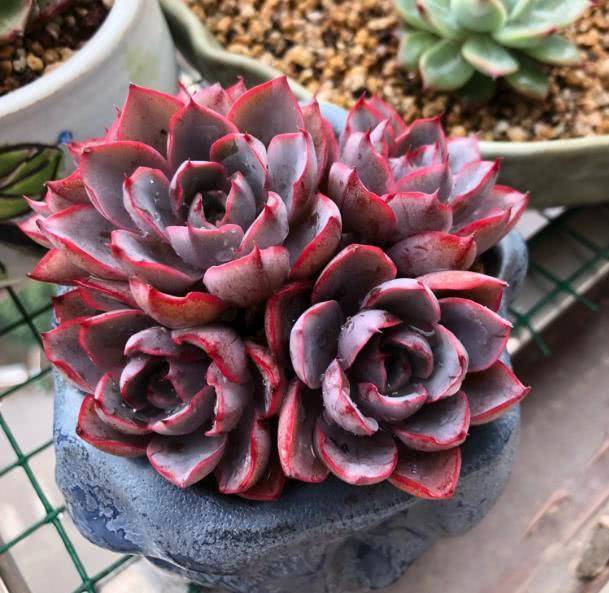
Compared with traditional soil culture techniques, hydroponic plants have the characteristics of being clean, highly efficient in plant growth, good in quality and low in cost, conform to the international trends of environmental protection and resource conservation as well as the specific domestic needs, and represent the trend and development direction of future plant cultivation techniques. Hydroponic flowers grow in clear and transparent water, with no soil, no traditional fertilizer, no breeding of viruses, bacteria or mosquitoes, and no peculiar smell. So what exactly are the characteristics of hydroponics, and what should be noted?
Hydroponic flowers are mostly shade-loving and neutral flowers suitable for indoor cultivation, and they have different requirements for light. Plants unsuitable for hydroponics cannot grow, and most hydroponic plants need long-term induction and domestication before they can adapt to the hydroponic solution environment of soilless cultivation. In the maintenance of hydroponic flowers, the most fatal drawback is root rot, such as root-washing damage, excessively high or low temperature, too high a nutrient solution concentration, and pests and diseases. Root rot will deteriorate the water quality and affect the growth of the plant, breed a large number of microorganisms and bacteria, and cause pollution of the hydroponic solution, thus leading to the death of the whole plant.
If hydroponic plants are not given fresh water in time, root rot often occurs, and in this case we can choose to put some charcoal into the water. By making use of the excellent purifying effect of charcoal, break the charcoal into small pieces and put them into the hydroponic container, which can effectively prevent root rot in hydroponic plants. Of course, it does not need to be added too often; usually once every half a month or so is enough to serve a preventive effect. Used charcoal can be placed on the balcony to dry and be reused.
There are certain causes of yellowing leaves in hydroponic plants. For example, if the water in the bottle is not changed for a long time, the water quality deteriorates and gives off a bad smell, causing the leaves to turn yellow. It is best to change the water every 5-7 days, and each time change two-thirds of the original water in the bottle. Insufficient nutrients can also easily cause yellow leaves; after each water change, add the measured amount of nutrient solution drop by drop, which can provide nutrients for the normal growth of hydroponic plants. Being placed in too shady a position for a long time can also easily cause leaves to turn yellow; usually it can be moved to a sunny and ventilated place indoors, which is beneficial to photosynthesis and reduces the yellowing of leaves.
Yellow leaves are mainly caused by a lack of trace elements. To prevent and effectively cure this phenomenon, we can drip a few drops of ferrous sulfate solution into the water about once a week. Of course, there is also a simplest method: just put a rusty iron nail into the water, and after the situation improves, remember to change the water in time, and the problem can be solved.
The water-cutting rooting method for succulents is a method of cutting off the stems and branches of succulents and inserting them into water to propagate new plants. Spring and autumn, the two seasons of vigorous plant life activity, are also the best periods for water cutting of succulents. First, the cuttings for water cutting should be selected from robust stem nodes or branches free of pests and diseases, so that it is beneficial to the hydroponic maintenance after the water cuttings take root and improves the ornamental effect. Second, the cut opening of the cutting should be flat and smooth, which is beneficial to the healing of the wound at the cut and the sprouting of new roots. If the scissors are not sharp or the cut is rough and uneven, it is easy to cause crushing or pressure injury when cutting the cuttings, causing the wound to rot.
This is a gathering place for succulent lovers, sharing succulent care tips; you are welcome to follow and exchange ideas.