What serious complications can bronchial asthma cause?
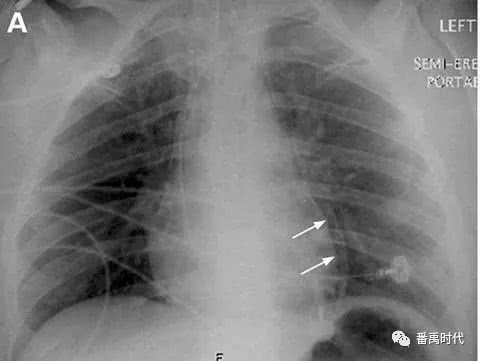
Bronchial asthma can arise from a hereditary constitution or be acquired later in life, but if timely treatment and complete cure are neglected, it will lead to serious complications and may even cause sudden death. Asthma is common, and this is also a key point that people tend not to take seriously, yet its pathological causes and manifestations are relatively complex, so it easily recurs, drags on endlessly, and can even become a lifelong illness. After dragging on for many years, it is very likely that pneumothorax or mediastinal emphysema, atelectasis, bronchitis and various other lung infections have already developed.
Bronchial asthma
In the later stages, as the complications of bronchial asthma advance day by day, they will lead to multiple organ insufficiency or failure, or sudden death. Its complications or sudden death follow no fixed pattern; if during an acute attack nursing care is not timely or not appropriate, sudden death may occur even in the early stage. When bronchial asthma is complicated by pneumothorax or mediastinal emphysema, it is because the difficulty in expelling air during an asthma attack rapidly raises the intra-alveolar pressure, causing the alveoli to rupture, and the gas then spills into the pleural cavity, producing pneumothorax or mediastinal emphysema.
After pneumothorax forms, the pressure inside the pleural cavity changes from the original negative pressure to positive pressure, which more easily affects the gas exchange function of the lungs, aggravates carbon dioxide retention and hypoxia; after mediastinal emphysema develops, a gas mass forms within the mediastinal tissues, which likewise affects the gas exchange function of the lungs and worsens the condition; when bronchial asthma is complicated by atelectasis, bronchospasm, edema of the airway wall and endocrine hyperactivity have occurred, forming obstructive atelectasis of the respiratory tract, with lobar atelectasis and segmental atelectasis being distinguished from one another.
Complicated bronchitis is a very natural manifestation during repeated attacks of bronchial asthma, because as the illness drags on, the body's immunity declines and the lungs' excretory function is impaired, leading to infection and inflammation. This forms chronic bronchitis, which then develops into emphysema, cor pulmonale, and so on. As the lung condition continuously affects the viscera and the body's overall oxygen supply, it will first manifest as insufficiency, compensation, or even failure of the functions of the brain, heart, liver, spleen, lungs and kidneys.