Should Fuding white tea be rinsed before brewing?
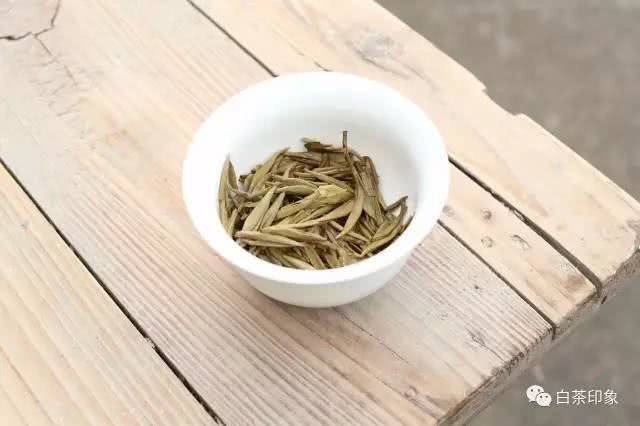
Drinking tea has increasingly become a healthy lifestyle in many people's minds, and "tea tasting" has gradually become a fashion. Fuding white tea is a magical tea with a refreshing and natural taste. After drinking it, it feels as if your teeth have been cleansed, the tip of your tongue tastes sweet with a lingering sweetness, and the tongue produces saliva. The fragrance of lotus, jujube, and medicinal herbs mixed with a unique honey aroma lingers in the mouth. This feeling is very comfortable. It can be said that white tea is a kind of tea beverage that can be drunk at any time, is very tasty, and suits a wide range of people.
Boiling water, warming the cup, adding tea, brewing, rinsing the tea, tasting the tea, pouring it out. These are the steps we follow when brewing tea every day. However, is the step of rinsing the tea really necessary?
Especially for Fuding white tea, by grade it includes Baihao Yinzhen (Silver Needle), Bai Mudan (White Peony), Gongmei (Tribute Eyebrow), and others, ranging from tender young buds to relatively coarse mature leaves; by form it includes loose tea and cake tea, ranging from loose to tightly compressed. Should it be rinsed or not? Can it be generalized across the board?
Why rinse the tea
The flavor of the tea liquor is the result of the extraction of tea polyphenols, amino acids, and other internal substances from the tea leaves. After pouring water at an appropriate temperature into the pot, the water is poured out in a short time, allowing the tea leaves to unfold and take on a budding state after being moistened by the water, which helps to bring out the aroma and flavor when brewing the first infusion. Especially for compressed tea, rinsing the tea also serves to slowly relax the leaves, preparing them for the formal brewing.
You see, rinsing the tea is indispensable for compressed tea types. Otherwise, the first few infusions only open up some of the surface tea leaves, resulting in a thin flavor that tastes bland.
Which teas to rinse? Which teas not to rinse?
After brewing white tea covered in silver fuzz, the fine fuzz floats suspended in the tea liquor. This white fuzz has high nutritional value. If the first rinsing water is discarded and not drunk, this white fuzz is wasted, which is quite a pity. Therefore, high-grade Baihao Yinzhen and Bai Mudan can be brewed without rinsing.
As for other tea types, whether to rinse depends on what tea is being brewed. For relatively tender green tea, a quick rinse with water no hotter than 80°C is sufficient. If it is a particularly high-grade famous premium green tea, there is no need to rinse it at all - the first infusion can be enjoyed for its fresh briskness. If rinsed with boiling water, it will destroy theanine, vitamins, and other beneficial components in the tea leaves, while the aromatic substances in the tea will volatilize in large amounts during this process, thereby affecting the quality of subsequent infusions.
Oolong tea and dark tea (hei cha) can fully withstand rinsing with boiling water. Moreover, they must be rinsed with boiling water for it to be effective. For some teas that are quite tightly compressed, boiling water is needed to relax and unfold them, making it easier to achieve consistent flavor in subsequent infusions.
Aged white tea needs to be "awakened"
Aged white tea cakes need to be "awakened." Aged tea often has a dull taste and dispersed aroma, making it difficult to showcase the deep, rich charm of time. To enjoy an excellent-tasting aged tea, "awakening the tea" before brewing is an important step. Awakening the tea means changing the storage method of the tea to rouse the tea's essence and concentrate its aroma. Due to long-term storage, the tea slowly oxidizes through contact with air, producing an odor on the surface, and awakening the tea washes away this off-flavor. Going through the tea-awakening step helps bring out the mellow thickness of the white tea liquor as well as the medicinal aroma of white tea.
What we usually call rinsing the tea counts as "wet awakening." Aged tea cakes also need "dry awakening": pry them open in advance and place them in a sealed container. Wait for them to be awakened from their dormant state, so that the internal substances are perfectly released during brewing.
Should white tea be rinsed? Yes and no. This depends on tea lovers making their own judgment based on the tenderness, form, and storage time of the white tea in their hands.