Jilin faces ongoing drought: can corn still yield a good harvest? Strong roots at the seedling stage are key
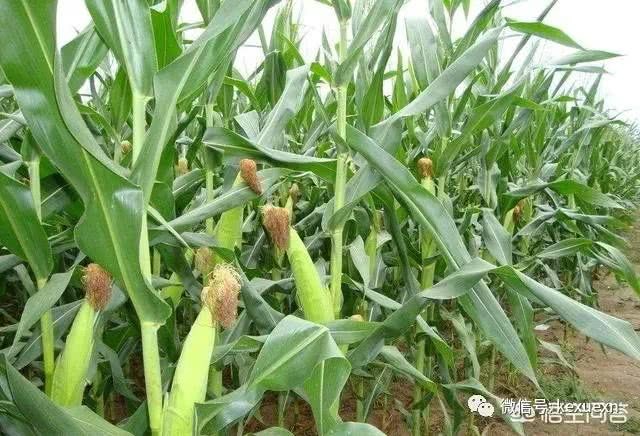
Drought makes it very difficult for crops to produce a good harvest, and there is no doubt about that. Take Argentina this year: because of severe drought, the originally expected soybean production of more than 57 million tons fell to 50 million tons (USDA data). Drought causing reduced yields is also the most direct manifestation of this.
As for this year's climate in Jilin, rainfall has decreased substantially compared with previous years. Corn is currently at the emergence or sowing stage, and drought at this time is fairly fatal for corn emergence. If the soil moisture is too dry, the seeds may even fail to emerge, in which case farmers growing corn will probably also need to replant the missing seedlings accordingly. Even if soil moisture improves later, the seedlings that come up will differ in growth from those that emerged earlier, causing large and small seedlings during later corn growth, which is very unfavorable for the utilization of photosynthesis.
For corn that has already emerged, drought may cause the seedlings to die from drought. If the seedlings wilt from lack of water during growth, it is still better if they can receive timely water replenishment; otherwise, dead seedlings will probably be unavoidable. In addition, because of long-term water shortage, the plants' disease resistance is weak, which will also lead to a higher incidence of corn diseases.
At present, corn planting conditions in various regions have all improved considerably, and irrigation conditions in various places are also fairly good. For regions with irrigation capacity, it is hoped that water can be applied in a timely manner; only with strong roots at the seedling stage can a bumper harvest be in sight.