How to grow mint well? A detailed guide to care methods
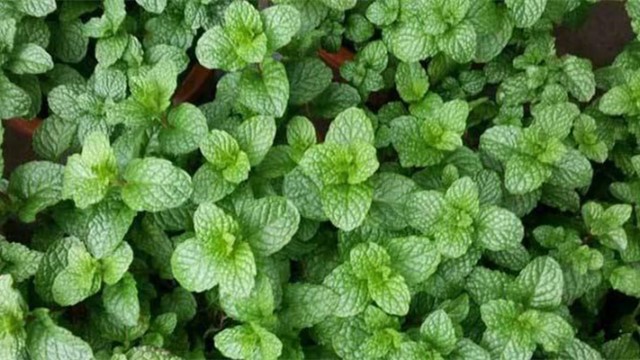
I. Growing environment
1. Soil: Mint likes loose, highly breathable soil, and its requirements for soil are not high.
2. Light: Mint needs plenty of sunlight to grow; even in summer it does not need shading. If light is insufficient it will grow leggy, the leaves will stop growing, and it will become very thin and weak.
3. Water: Sufficient water lets mint grow better; especially in the early growth stage, the demand for water is greater, and you should water thoroughly each time. In winter, when temperatures are lower, reduce the amount of watering appropriately.
4. Temperature: The most suitable temperature for its growth is 25-30°C. If the temperature is below 15°C it will grow slowly. At a suitable growing temperature, as long as water and fertilizer are reasonable, the higher the temperature, the faster it will grow.
II. Propagation methods
1. Cutting propagation: Cuttings are best taken in May-June. Cut a mint stem into 10cm cuttings, insert them into a seedbed and water; once they have rooted and sprouted, transplant them.
2. Rhizome propagation: This is generally done in late April or late August. Choose relatively healthy plants as mother plants and then plant them; after harvesting the stems and leaves in early winter, the rhizomes are left in place as seed stock.
III. Common diseases
1. Black shank: This is a very common disease, mostly occurring at the seedling stage. After it occurs, the base of the stem turns black or rots. During the disease period, spray with chlorothalonil or carbendazim.
2. Mint rust: It generally occurs between May and July. After it occurs, spray with triadimefon.