What are the cultivation methods and precautions for the peace lily?
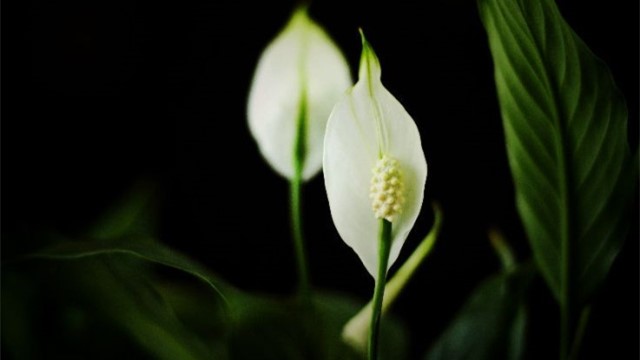
I. Growing environment
1. Soil: choose loose soil with good aeration and drainage.
2. Watering: keep the soil slightly moist. In summer or in dry weather, increase watering appropriately and mist the leaves or the surrounding area to maintain a certain humidity; in winter or when the temperature is lower, reduce watering appropriately, as too much water will cause root rot.
3. Fertilizing: fertilize once a month; a concentrated fertilizer may be used, but do not use raw fertilizer. When fertilizing, loosen the soil appropriately to help it absorb nutrients better, and water appropriately the next day after fertilizing. In addition, when the temperature is higher or lower, it grows relatively slowly, so fertilizing should be stopped at such times.
4. Light: an appropriate amount of light is more conducive to its growth. In spring, autumn and winter, give it all-day light, which can help it grow better. In summer, when the temperature is higher, avoid direct sunlight and shade it appropriately.
II. Propagation methods
1. Propagation by seeding: first disinfect the soil, soak the seeds in warm water for 10 hours, then dry them. After sowing, cover with a thin layer of soil and keep the soil moist. About 25 days after sowing, they will germinate. When the seedlings grow 1-2 true leaves, they can be potted separately.
2. Propagation by division: spring and autumn are the most suitable seasons for division propagation. Remove the whole plant, cut the rhizome apart, and replant the divisions separately. Place it in a semi-shaded environment. After division, loosen the soil frequently to maintain the soil's air permeability.
III. Common pests and diseases
1. Root rot: when it occurs, brown spots appear on the leaves or stems, and in severe cases it can cause the leaves to drop or even kill the plant. To avoid affecting more plants, promptly remove diseased plants and dead leaves when found, and clean off the rotted parts completely. Root rot medicine can be used to drench the roots.
2. Aphids: they cause the stems and leaves to curl. When aphids are found, spray promptly with a pesticide; when there are few pests, they can be scraped off cleanly with a bamboo strip.