How to grow camellias so they bloom abundantly? A detailed guide to cultivation methods
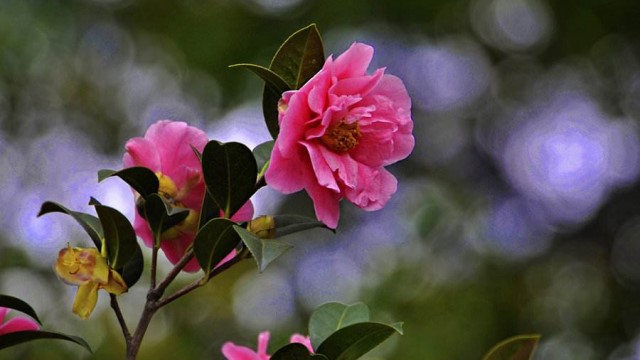
I. Growing environment
1. Soil: Camellias (Camellia japonica) suit loose, well-draining acidic soil. Limey soil must never be used.
2. Watering: When newly potted, water generously and thoroughly. The amount of water can depend on the weather; just keep the soil moist. In summer, water a little more as appropriate to meet its sprouting needs. In summer, it is best to water in the morning or evening. In the rainy season, pay attention to drainage to avoid waterlogging.
3. Fertilizing: Camellias do not like heavy feeding, so there is no need to fertilize excessively. Generally, use a mixed fertilizer, mainly phosphorus fertilizer; nitrogen fertilizer is also acceptable. The fertilizer must be fully decomposed before use. Fertilize more when the plant is vigorous, and fertilize less or not at all when the seedlings are weak.
4. It likes a warm, humid environment. In spring and during the plum rain season, give it plenty of light so the branches do not become thin and weak.
II. Propagation methods
1. Cutting propagation: Cut relatively vigorous branches into lengths of about 10 cm, remove all the leaves on the lower part, and keep 2-3 leaves on the upper part. After inserting the cuttings, water a little to keep the soil moist. They will take root in about two months.
2. Layering propagation: Choose branches from the previous year's growth, ring-bark the part to be layered, and cover it with plastic film. Then tie the lower opening tightly, add potting soil, and tie the upper opening tightly. Once roots have formed, cut it off and plant it.
III. Common pests and diseases
Common insect pests are generally stem borers and scale insects, and common diseases include anthracnose and sooty mold. After discovering pests or diseases, promptly clean up the diseased leaves and branches, and at the same time apply pesticide sprays for control.