How to care for Monstera deliciosa? Detailed guide to growing methods and precautions
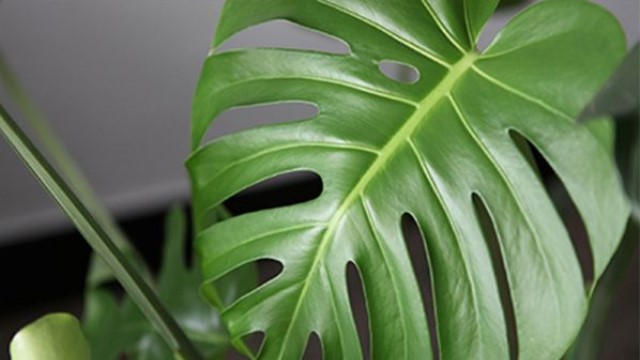
I. Growing environment
1. Soil: Monstera deliciosa likes loose soil with good drainage. It can be mixed with garden soil, leaf mold and river sand.
2. Light: It likes diffused light and cannot be exposed to strong direct sunlight. Too much light will scorch the leaves, while insufficient light will make the leaf color fade. In summer, it is best to place it at a north-facing window; in winter it needs plenty of sunlight, so it is best to place it at a south-facing window.
3. Temperature: The temperature suitable for Monstera deliciosa growth is 20-25°C, and the lowest temperature in winter should not be lower than 5°C. If the temperature is too low, it will cause problems and the leaves will turn yellow. If the indoor temperature is relatively low, take some appropriate measures to keep it warm.
4. Water: Monstera deliciosa likes a humid environment. In summer, it is best to frequently spray water on the leaves or around it, which can make the leaf color more vivid; in winter, do not water it frequently, otherwise black spots and even rot will appear.
II. Propagation methods
1. Seed propagation: After collecting the seeds, soak the relatively plump seeds in warm water for about 10 hours. The soil should be sterilized in advance. After sowing the seeds, the temperature should be controlled at 20-25°C, and a film should be covered to retain moisture. They will sprout in about one month, and after small leaves grow, they can be potted separately.
2. Cutting propagation: Choose healthy side branches 20-25 cm long, keep the small leaves at the upper end, then insert the branches into the soil, and control the temperature at 25-27°C. They will take root in about 1 month.
III. Common pests and diseases
Its common pests and diseases include gray leaf spot and scale insects, which can be killed by spraying omethoate emulsion. After discovery, promptly remove the pests, cut off the diseased leaves, and spray with thiophanate.