How to grow lucky bamboo? Cultivation methods and precautions
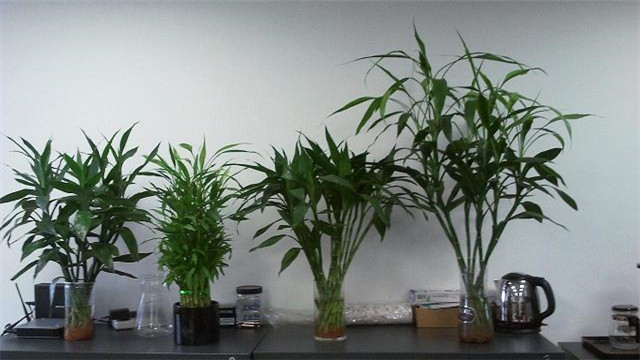
I. Growing environment
1. Soil: To grow lucky bamboo, it is best to use fertile soil rich in humus.
2. Fertilizing: Lucky bamboo is not tolerant of highly concentrated fertilizer or raw fertilizer. Applying a compound fertilizer once every 15 days in spring, summer and autumn can make it grow better. In winter, generally no fertilizer is needed.
3. Temperature: 20-30°C is best, and the lowest must not be below 5°C. If the temperature is too low, it will be frostbitten, the stems will turn yellow, and root rot will also result.
4. Watering: The potting soil should often be kept in a half-moist, half-dry state. When the temperature is high in summer, water once every 1 day; in spring and autumn, water once a week; in winter, generally watering once every 20 days is enough. Normally, spray water on the plant or around it frequently, which can make the leaves cleaner and also prevent the leaves from turning dry and yellow due to lack of water.
II. Propagation methods
1. Soil culture: In spring, cut a 20-25 cm tender stem, then soak it in potassium permanganate for about 30 minutes. After it dries, it can be inserted into the potting soil. Water once a day, and in about a month it will take root.
2. Water culture: Cut off a branch with a stem tip, remove the leaves around it, insert it into water, and keep the temperature at 25°C; it will take root in 15 days.
III. Common pests and diseases
The main pests and diseases include leaf spot disease, anthracnose, spider mites, scale insects, etc. After pests appear, they can be caught by hand. When diseases appear, chlorothalonil or thiophanate-methyl can be sprayed alternately, with an interval of 5-7 days between sprays.