How to Grow Yew? Detailed Guide to Care Methods and Precautions
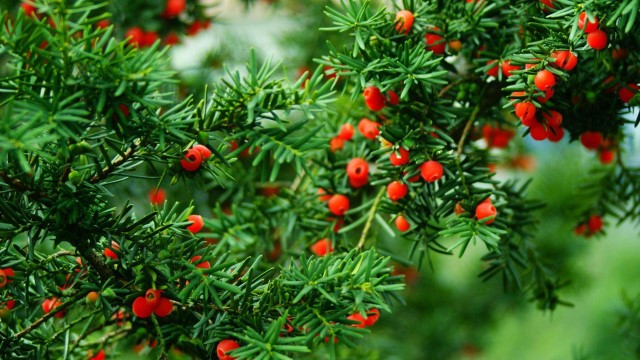
I. Growing Environment
1. Soil: You can use fertile, loose, slightly acidic soil that retains water and nutrients.
2. Watering: In spring, water once every 2-3 days; in summer, water once in the morning and once in the evening each day depending on conditions; in autumn, water once every 3-4 days; in winter, reduce the amount of watering, about once every 15-20 days. When the temperature is high in summer, you can spray water around the indoor area to increase the humidity in the air. Before watering, check the moisture of the soil. If the soil is moist, there is no need to water; if the soil is relatively dry, water moderately.
3. Fertilizing: Apply decomposed cake fertilizer water. In September-October, you can apply a moderate amount of base fertilizer; in early spring, you can apply compound fertilizer; and each year when repotting, apply decomposed solid organic fertilizer at the bottom of the flower pot.
4. Light: Yew cannot tolerate strong direct sunlight, so in places with intense sunlight, appropriate shading measures should be taken.
II. Propagation Methods
1. Propagation by sowing: Store the seeds for a period of time before sowing. First place the disinfected seeds in the soil, then cover them with wet sand, and then cover with about 8 cm of soil. During the seedling stage, avoid strong light, and leave them in the bed for 2 years before transplanting.
2. Propagation by cuttings: Plant the selected cuttings into the cutting soil, cover with plastic film, avoid exposure to strong sunlight, spray water moderately every day, and provide a growing environment of 20-30°C. Roots will grow in about a month, and once the seedlings have grown roots, they can be transplanted.
III. Common Pests and Diseases
1. Common diseases: Southern blight, stem rot and others are the most serious. After the disease occurs, spray fungicide promptly, and at the same time lower the soil temperature to avoid burning the roots. Also promptly remove diseased leaves to prevent secondary infection.
2. Common pests: Aphids, scale insects and others will harm its normal growth. You can appropriately raise some natural enemies of aphids to effectively prevent aphids from appearing, and you can also use pesticides to spray and kill aphids.