Appreciation of Hui-style Bonsai: Savouring the Beauty of Traditional Bonsai Art
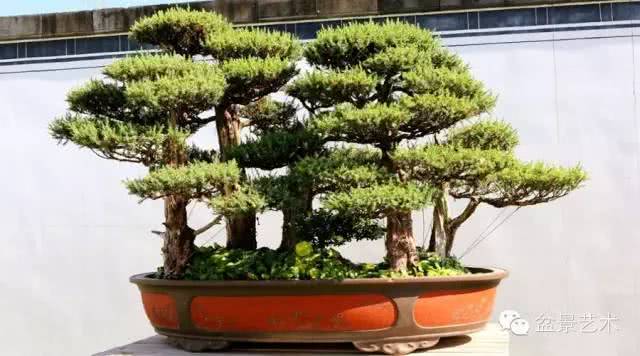
Hui-style bonsai is an outstanding Han Chinese craft art from the Huizhou region of Anhui. Its centre is located in the "gathering of mountains and waters" south of Pukou - Maihua Yucun (Flower-selling Fisherman's Village), which is in stark contrast to other schools whose centres are located in densely populated towns and bustling marketplaces of high political, economic and cultural prosperity. Maihua Yucun sits amidst encircling mountains at an altitude of over 300 m, a small basin high on all sides and low in the middle. That such a unique flower of the bonsai garden should bloom in this richly endowed deep mountain valley has its objective possibilities and historical origins. At the same time, it has only been able to flourish through the unremitting efforts of bonsai artists.
Hui-style bonsai is the result of the people of ancient Huizhou learning from nature, inheriting tradition and innovating on this beautiful and fertile land of Huizhou; it is a reflection of Huizhou people's ideology and culture, moral concepts and artistic aesthetic characteristics. It has not only enriched the content of Huizhou culture, but also enriched the connotation of Chinese bonsai art, and holds an important place in the history of the development of Chinese bonsai art.
Hui-style bonsai conveys meaning through form. For example, the Youlong style (roaming dragon) is a symbol of the Han Chinese, the Santai style (three-tiered) implies the Penglai fairyland or the connotations of heaven, earth and humanity, and the Yingke style (welcoming guests) signifies respectfully awaiting honoured guests. Youlong-style plum trunks, twisted-spiral podocarpus, Santai-style Chinese juniper and others are tall, majestic, rugged and antique, full of a mysterious decorative beauty, complementing classical Hui-style architecture with profound implications; shapes such as Huangshan pine and podocarpus take the ancient pines of Huangshan as their model, full of the vigorous, enterprising humanistic spirit of Huizhou. The plum-trunk bonsai cultivated by Maihua Yucun have taken almost 1/2 of the gold, silver and bronze awards in all the successive "Two Plums" exhibitions held nationwide, which fully demonstrates the depth of their strength.