Three principles to master for soilless cultivation of hydroponic flowers
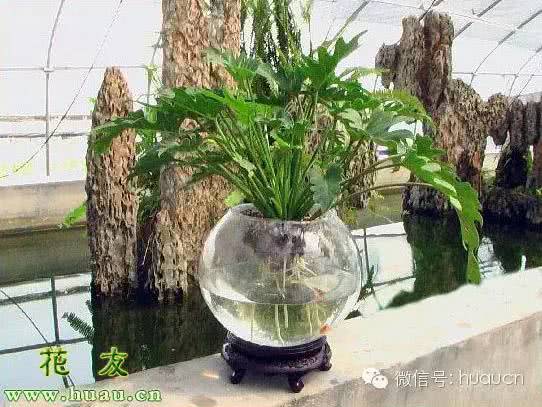
Soilless cultivation of flowers is a newly emerging plant cultivation technique in modern times. It can intensively produce large quantities of vegetables and fresh cut flowers within a relatively small area. It not only shortens the production cycle, but also greatly improves product quality, making flowers and fruits uniform in size.
Growing flowers at home with soilless cultivation has many advantages: fast growth, good quality, cleanliness and hygiene, few pests and diseases, fertilizer savings, water savings, low labor intensity, and savings in labor and time. The techniques for home soilless flower growing are briefly described below.
Hydroponic plants: Hydroponics Hydroponics guide
1. Scientific planting
For home soilless pot cultivation, ordinary flower pots such as plastic pots and unglazed clay pots can be used. When planting, first mix various substrates in a certain proportion or put them into the pot separately, then plant seedlings that have grown 3-5 leaves in the center of the pot. Before planting, first place the root system with soil in clean water, gently wash off the root mud, then soak the roots in a solution 5-10 times more diluted than normal-strength nutrient solution for 10 minutes so they fully absorb water. After planting, cover the surface with a layer of quartz sand or small stones to fix the plant in place, and immediately pour 0.5-strength nutrient solution around the container until nutrient solution flows out from the drainage holes at the bottom of the pot.
2. Reasonable nutrition
After planting, water once every 1-3 days and apply dilute nutrient solution once every 7-10 days. The frequency and amount of nutrient solution application depend on the flower species, plant size, different growth stages, season, and placement location. During the growing period, large seedlings should be given nutrient solution about once every 7-15 days, small seedlings about once every 15-20 days, and during the dormant period about once a month. For a flower pot with an inner diameter of about 20 cm, if it contains sun-loving flowers, apply about 100 milliliters each time; for shade-loving flowers, the amount should be reduced accordingly. If a slow-release flower fertilizer is used, the dosage should refer to the product instructions. When applying nutrient solution, it is better to use less rather than too much; excessive application often easily causes leaf scorch. Generally, completely replace the nutrient solution once a month, and wash the container holding the nutrient solution clean. Usually, the amount of nutrient solution in the container should be about 2/3 of the container depth. If too much is added, the roots will all be soaked in the nutrient solution, air will be insufficient, and root rot may easily occur due to lack of oxygen.
Hydroponic plants: Eight questions and eight answers on hydroponic flower care
Nutrient elements gradually oxidize and photodegrade in the flower-growing container, and the pH can also lose balance, so they should be replaced in time. For indoor flower growing, replace once every 3-4 [cycles], and when replacing, the growing substrate must be thoroughly rinsed clean with clean water, then new diluted nutrient solution must be added, otherwise the concentration of the water will become higher and higher.
3. Pay attention to watering
For soilless flower growing, watering must also be done in a timely manner according to the water requirements of different types of flowers. To avoid loss of nutrient solution, it is best to choose watertight containers. A container more suitable for home use consists of two parts: the upper part is a flower pot containing substrate (with a perforated bottom), into which the flower is planted, and the lower part is a watertight container holding nutrient solution. When planting with this kind of container, before the plant roots extend into the nutrient solution, it is necessary to water a little more appropriately, applying a small amount of dilute nutrient solution about once every 5-7 days; after the roots extend into the nutrient solution, normal management can begin.
·END·
An interactive platform for communication among lovers of flower growing, flower planting, and green plants, for showing off and being a bit smug. An online home for sharing flower cultivation methods and home flower-growing tips. A fresh flower subscription platform.
Fresh flowers: hyacinth|stock|plum blossom|car nation|camellia|kalanchoe|jasmine|gardenia|peach blossom|balloon flower|osmanthus|calla lily|lily|forget-me-not|clivia|apricot blossom|honeysuckle|mock orange|peony|sunflower|chrysanthemum|serissa|crown of thorns|tulip|narcissus
Green plants: poinsettia|money tree|pothos|spider plant|peace lily|lucky bamboo|asparagus fern|aloe|English ivy|anthurium|Monstera deliciosa|bougainvillea|silk tree|spathiphyllum|Schefflera octophylla|boxwood|sago palm|rubber tree|maidenhair fern|snake plant|
huau.cn
……
Search the public account "Huayou" or "huaucn" to get the latest information
Business cooperation and promotion. Please contact WeChat private account:ihuaucn