Causes of orchid root rot and how to treat it, with extra care needed especially in summer
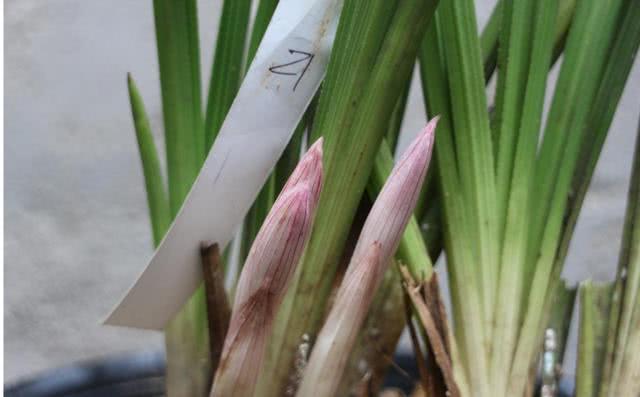
Orchids are highly ornamental plants, but many orchid growers say that after a period of time, they notice root rot appearing in the orchids they grow. So here, the editor will give everyone a primer on the causes of orchid bud rot.
The causes of orchid bud rot actually fall into many categories, for example: water getting into the orchid buds, or the orchid buds being bruised, and so on, all of which can cause orchid bud rot to appear.
Causes of bud rot: during normal watering of orchids, water accumulates in the orchid buds for too long, causing the buds to rot, or when the orchids are normally taken out to sun, it happens to rain and the orchids are forgotten outside, causing orchid root rot. And if orchids normally do not get enough sunlight, or the temperature is too low, water accumulates in the pot and the orchid cannot take it up.
When orchids are normally repotted or pruned, accidentally injuring the orchid buds will cause orchid bud rot to appear. When applying liquid fertilizer to orchids, fertilizer water enters the center of the orchid buds and cannot drain out for a long time, causing the center of the orchid buds to rot. The appearance of pests and so on can also cause orchid bud rot.
Since orchids rot buds so easily, and if growers have not studied professional knowledge, they probably cannot solve this problem, so the editor will bring everyone ways to prevent this situation from happening.
During normal watering of orchids, it is best to use a spoon to scoop out one spoonful of water to water the flowers, and absolutely do not use a hose or similar with a large flow of water to wash the orchids, otherwise it will cause orchid bud rot and even root rot.
In spring and summer, because there are many rainy days at this time, when caring for orchids, note that orchids must not be rained on for a long time, and pay attention to protective measures; for example, in summer, a transparent shed can be built where the orchids are grown, which can be used to block rain when necessary without preventing the orchids from getting sunlight.
Because the sun is very fierce in summer, protective measures must be taken at this time to prevent orchids from being in direct sunlight for too long, and the placement location should remain ventilated; in winter, orchids should be kept warm, with attention to warmth measures. The temperature for growing orchids must not be too high, and of course must not be too low.
When orchids are in the growth period, pay attention to preventing pests and apply some pesticides in time; once pests are found on orchids, promptly apply insecticides such as dimethoate and supracide to the orchids. Also, when normally pruning orchids, be careful not to injure the orchid roots, buds and so on.
After reading this, have you learned something, fellow growers? Of course, if there is anything lacking, you are welcome to talk it over with the editor in detail.